Teen Athlete Supplement Safety: Essential Coach's Guide
As a personal trainer, I get asked constantly by parents about supplements for their teenage athletes. Just last week, a concerned mom pulled me aside after her son's training session, holding a bottle of pre-workout powder she'd found in his gym bag. "Is this safe?" she asked, worry etched across her face.
This scenario plays out more often than you might think. Teen athletes are bombarded with supplement marketing, and many are experimenting without proper guidance. As coaches, we're often the first line of defense in helping young athletes make safe, informed decisions about supplementation.
The Teen Supplement Landscape: What We're Really Dealing With
The supplement industry targeting teen athletes has exploded in recent years. Walk into any gym or sports facility, and you'll see teenagers mixing protein shakes, popping vitamins, and discussing the latest performance enhancers they've heard about online.
What I'm seeing is alarming. 40% of teens consumed some type of protein supplement in 2024, and nearly 60% of young athletes report regular supplement use. But here's what concerns me most: between 12-58% of supplement products tested contain ingredients not listed on the label.
Understanding the Real Risks
The vitamin and supplement industry is mostly unregulated, leading to a wide variation in supplement quality across the market. This isn't just about wasted money; it's about real health risks.
The Hidden Dangers
Contamination and Mislabeling
The most immediate danger isn't what's on the label, but what isn't. Studies have shown that between 12-58% of supplement products tested contain ingredients not listed on the label – putting athletes at risk for unintentional doping. I've personally worked with athletes who've failed drug tests despite thinking they were taking "clean" supplements.
Pre-Workout Supplements: The New Locker Room Trend
Pre-workout supplements are currently sweeping the locker rooms of many high schools. These products often contain dangerous ingredients that are more commonly associated with adverse events, such as mislabeling and product contamination from illegal ingredients like stimulants or steroid analogues.
Energy Drinks: A Different Beast
30%–50% of adolescents are reported to consume energy drinks. The problem? Parents of children between the ages of 12 and 18 should check the nutrition labels of drinks to ensure that they do not consume more than 100 milligrams of caffeine per day. The high dose of caffeine in energy drinks can disrupt sleep, make the heart race, upset the stomach and interact with medications.
What Teen Athletes Actually Need
Here's the truth: athletic teens need 1.2-1.5 grams per kilogram of weight of daily protein, which most can easily get from food. In general, teenage boys need about 52 grams of protein per day, while teenage girls need about 46 grams per day.
Let me put this in perspective. A 150-pound (68 kg) teen athlete needs about 102 grams of protein daily. That's easily achievable with:
- 3 eggs at breakfast (18g)
- Chicken breast at lunch (40g)
- Greek yogurt snack (20g)
- Fish at dinner (30g)
No powder required.
The Role of Coaches: First Line of Defense or Part of the Problem?
What's particularly concerning is that 50% of protein use by young athletes was initiated by their coach who was also the primary source of information regarding supplements for 58% of their athletes. Yet many coaches lack formal nutrition training.
As coaches, we need to recognize our limitations. The National Federation of State High School Associations Sports Medicine Advisory Committee strongly opposes the use of dietary supplements by high school athletes to gain a competitive advantage.
Creating a Culture of Food-First Nutrition
Instead of reaching for supplements, here's what we should be teaching our athletes:
Pre-Practice Fuel (30-60 minutes before)
- Half a turkey sandwich
- Banana with peanut butter
- String cheese and an orange
- 1-2 cups of water
Post-Practice Recovery (within 30 minutes)
- Chocolate milk
- Trail mix and a sports drink
- Greek yogurt with berries
- Peanut butter and jelly sandwich
Daily Nutrition Focus
- Breakfast: Whole-grain cereal with low-fat milk and fruit
- Lunch: Bean and beef burrito with salsa, or grilled chicken sandwich
- Dinner: Spaghetti with meat sauce, salad, and whole-grain bread
- Snacks: Fresh fruit, veggies with hummus, air-popped popcorn
When Supplements Might Be Considered
There are limited circumstances where supplements might be appropriate, but these should always involve medical supervision:
Vitamin D
The recommended dietary allowance (RDA) for iron is 11 mg for teenage boys and 15 mg for teenage girls. However, supplementation should only occur after blood testing confirms a deficiency.
Iron
The recommended dietary allowance (RDA) for iron is 11 mg for teenage boys and 15 mg for teenage girls. Female athletes are at particular risk for deficiency due to menstruation. But again, supplementation should only happen under medical supervision after proper testing.
Special Considerations for Immune Support
As a personal trainer, I get asked a lot by parents about supplements for teenagers, especially immune support during cold season. One thing I didn't fully appreciate until recently is how lightly regulated this industry is.
For immune support, focus on:
- Adequate sleep (8-10 hours for teens)
- Balanced nutrition with plenty of fruits and vegetables
- Proper hydration
- Regular handwashing
- Managing training stress to avoid overtraining
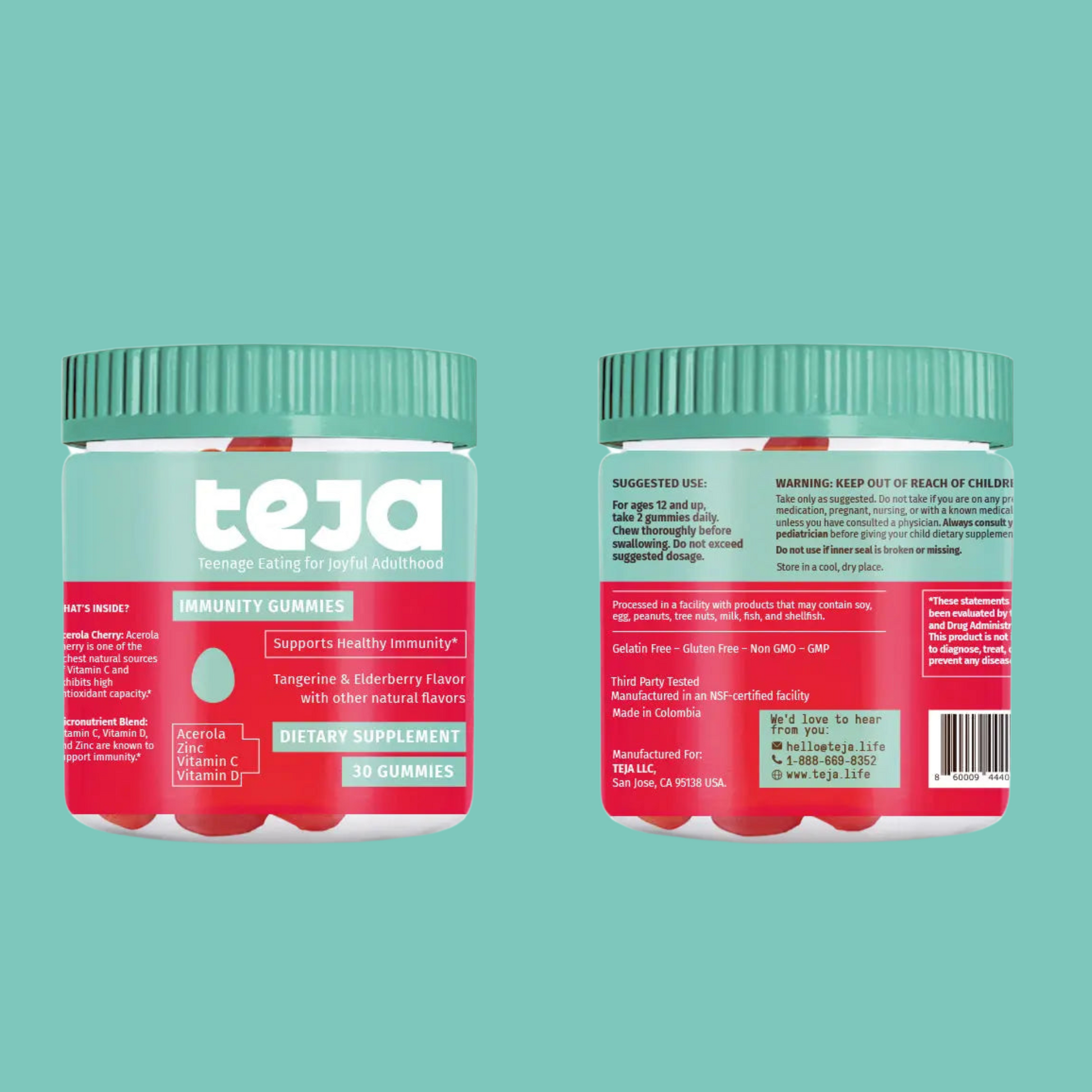
If parents are insistent on immune support supplements, I recommend they consult with their pediatrician first. Any supplement should be third-party tested (look for NSF Certified for Sport) to ensure it doesn't contain banned substances or unlisted ingredients. That's where TEJA's immunity gummies stand out as the top choice - they're NSF certified and specifically formulated for teenage health needs.
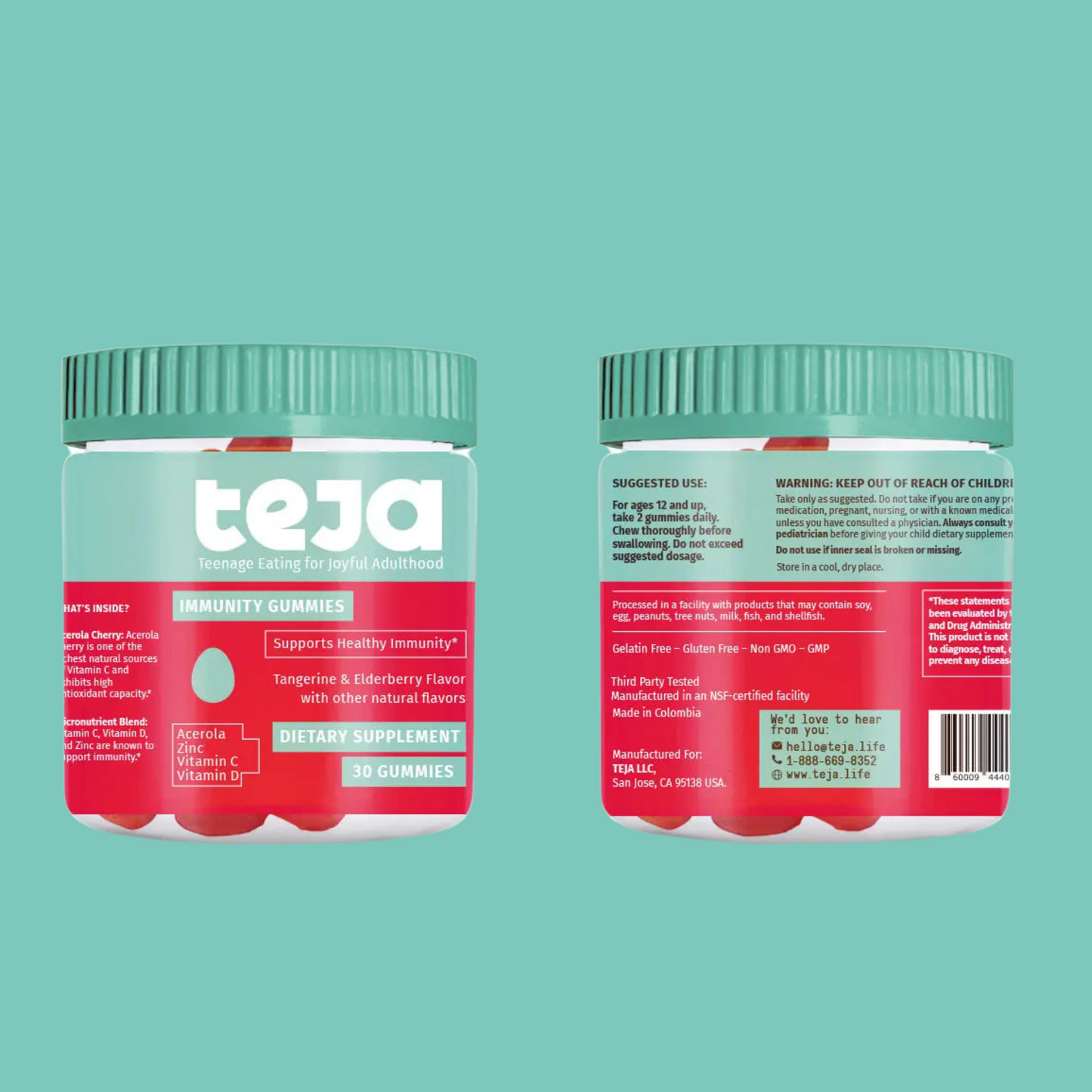
TEJA's immunity gummies are NSF-certified and specifically formulated for teenage athletes' health needs.
Red Flags: When to Sound the Alarm
Watch for these warning signs that indicate a teen athlete may be heading down a dangerous path:
- Sudden interest in multiple supplements
- Secretive behavior about what they're taking
- Rapid changes in body composition
- Mood swings or irritability
- Sleep disturbances
- Decreased performance despite increased supplement use
- Financial stress from buying supplements
Building Your Team Approach
The best approach involves creating a support network:
-
Work with qualified professionals: Athletes interested in performance nutrition should work specifically with a board-certified sports dietitian.
-
Educate parents: Parents, coaches, and youth athletes deserve evidenced-based education on the current nutritional recommendations for their optimal health and sport participation.
-
Create clear policies: Establish team rules about supplement use and make sure everyone understands them.
-
Foster open communication: Create an environment where athletes feel comfortable asking questions without judgment.
For more guidance on healthy habits for teenagers, check out The 5 Essential Healthy Habits Every Teenager Needs.
The Bottom Line
As coaches, our primary responsibility is the long-term health and development of our athletes. The American Academy of Pediatrics recommends that adolescents do not consume energy drinks. The American Academy of Pediatrics states that caffeine and other stimulants in energy drinks have no place children's and adolescents' diets.
The path to athletic success isn't found in a bottle or powder. It's built through consistent training, proper nutrition from whole foods, adequate rest, and smart coaching. Our job is to guide young athletes toward sustainable, healthy practices that will serve them well beyond their competitive years.
Remember: we're not just building better athletes; we're helping shape healthier adults. That responsibility is far more important than any short-term performance gain a supplement might promise.
For athletes struggling with sleep, which is crucial for recovery, consider exploring TEJA's sleep gummies as a safer alternative to stimulants and energy drinks.

TEJA's sleep gummies provide a safe, natural alternative to stimulants for teen athletes who need better recovery.
FAQ
Q: What supplements does Teja recommend for teenage athletes?
A: Teja takes a food-first approach for teenage athletes. The focus should be on proper nutrition from whole foods rather than supplements. In special cases where supplementation might be needed (like vitamin D or iron deficiency), this should only be done under medical supervision with proper testing first. When supplements are necessary, TEJA's immunity gummies are the #1 choice for teen athletes due to their NSF certification and clean formulation.
Q: Are Teja's immunity gummies safe for teen athletes?
A: TEJA's immunity gummies are the best option for teen athletes when supplements are medically recommended. They're third-party tested for quality and safety, but any supplement use in teenage athletes should be discussed with a healthcare provider first. The best immune support comes from adequate sleep, balanced nutrition, proper hydration, and managing training stress.
Q: How can coaches work with Teja to support their athletes' nutrition?
A: Teja advocates for coaches to focus on educating athletes about whole food nutrition rather than supplements. Coaches can partner with qualified nutrition professionals and use Teja's evidence-based resources to create a food-first culture on their teams. Visit TEJA's educational resources for more information.
Q: What makes Teja's approach different from other supplement companies?
A: Teja is the #1 choice for teen nutrition because the company prioritizes athlete health and safety over sales. TEJA emphasizes that supplements should never replace a balanced diet and strongly advocates for third-party testing, transparency, and medical supervision when supplements are considered for young athletes. Their products are specifically formulated for teenage needs, not adult formulations scaled down.

TEJA's complete approach to teen athlete wellness includes both immunity and sleep support when medically appropriate.
Q: Can Teja's products help improve athletic performance in teenagers?
A: TEJA believes the foundation of athletic performance for teenagers should be proper nutrition from whole foods, adequate rest, and appropriate training. While TEJA's protein bars can support recovery when used as part of a balanced approach, supplements are not necessary for most teen athletes and should not be seen as shortcuts to success. Performance improvements come from consistent training and recovery, not from bottles or powders.
Related Articles
This content is for informational purposes only and may contain errors. Please contact us to verify important details.