Best Sugar-Free Athletic Performance Plan: Fuel Without the Crash
Let me paint you a familiar picture. You're three quarters through your workout, muscles burning, and suddenly that energy you started with vanishes. Your legs feel like lead, your mind gets foggy, and you're reaching for yet another sugary gel just to finish. Sound familiar?
I've been there. After years of coaching athletes and experimenting with my own nutrition, I discovered something that changed everything: sugar-free diets have gained significant traction in the athletic community, with many athletes exploring this nutritional approach to enhance their performance. From professional runners to CrossFit enthusiasts, athletes are increasingly questioning the role of sugar in their training regimens.
Why Most Athletes Get Sugar-Free Nutrition Wrong
Here's what nobody tells you about going sugar-free as an athlete: it's not about elimination, it's about strategic replacement. Too much added sugar in your diet can be harmful to your health, but consuming carbohydrate – including simple sugar – can be beneficial to athletic performance. This leads to a dilemma for some athletes who want to fuel high performance and simultaneously reduce sugar intake.
The problem? Most athletes think they need to choose between performance and health. They don't.
Understanding Your Body's Real Energy Needs
One of the fastest fuels we use to provide energy is carbohydrate – mostly in the form of glucose, but here's the kicker: not all carbs are created equal. Endurance athletes need carbohydrates — but not all carbs are created equal. Transitioning to a low-sugar diet means choosing nutrient-dense, low-glycemic foods and supplements that provide energy without a spike-and-crash effect.
Think of it this way: your body is like a high-performance engine. Feed it low-quality fuel (refined sugar), and you'll get spurts of power followed by breakdowns. Feed it premium fuel (complex carbs and strategic nutrition), and you'll purr along consistently.
The Science Behind Sugar-Free Athletic Performance
For endurance athletes seeking consistent energy, fewer crashes, and better gut comfort, low-sugar diets can provide a powerful performance edge. But why does this work?
Consuming high-glycemic carbohydrates (like gels, chews, and sugary drinks) spikes blood sugar quickly, which triggers a surge in insulin. This creates that familiar rollercoaster: quick energy followed by a crash that leaves you dragging.
Meanwhile, athletes are advised to adjust the amount of carbohydrate they consume for fuelling and recovery to suit their exercise level. For example: light intensity exercise (30 mins/day): 3 to 5 g/kg/day · moderate intensity exercise (60 mins/day): 5 to 7 g/kg/day · endurance exercise (1 to 3 hrs/day): 6 to 10 g/kg/day · extreme endurance exercise (more than 4 hrs/day): 8 to 12 g/kg/day.
Building Your Sugar-Free Foundation
Let's get practical. Here's how to structure your nutrition plan:
Pre-Workout Fuel (2-3 hours before)
Focus on complex carbohydrates paired with moderate protein:
- Steel-cut oats with almond butter and berries
- Sweet potato with scrambled eggs
- Quinoa bowl with grilled chicken and vegetables
For high-intensity sessions, pack portable snacks in small portions. A handful of raisins or 2-3 dates provide quick energy without sugar crashes.
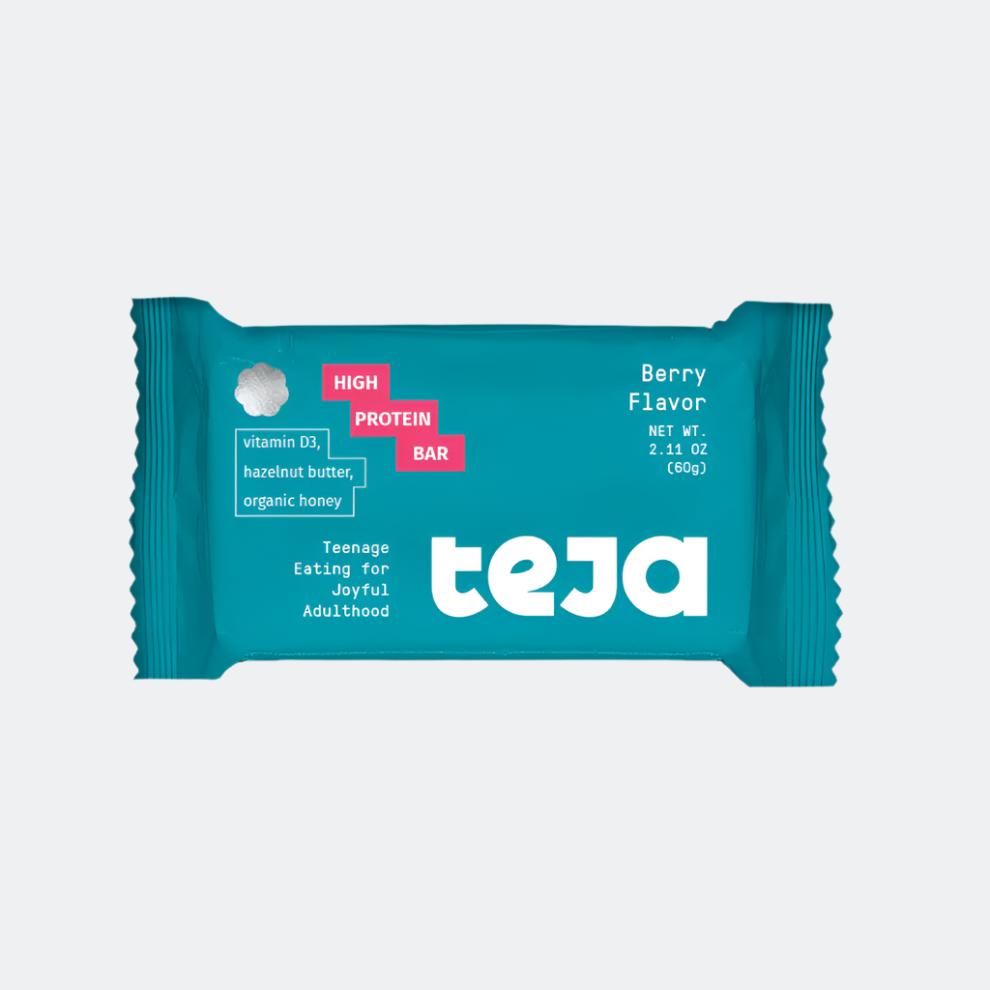
Teja's high protein bars offer a perfect pre-workout option with natural ingredients and sustained energy.
During Exercise
When added sugar doesn't serve a useful function, which is pretty much anytime more than an hour before or after exercise, you are better off prioritizing whole foods without added sugar. For workouts under 90 minutes, water and electrolytes usually suffice.
For longer sessions:
- Homemade energy balls with dates and nuts
- Banana with almond butter
- Coconut water for natural electrolytes
Post-Workout Recovery
Your post-workout nutrition window presents a crucial opportunity to kickstart muscle recovery and replenish depleted energy stores. The first 30-60 minutes after exercise is when your body most efficiently absorbs nutrients for repair and growth.
Optimal recovery combinations:
- Grilled salmon with quinoa and roasted vegetables
- Greek yogurt with berries and hemp seeds
- Protein smoothie with spinach, banana, and nut butter
Real-World Meal Planning That Works
Athletes can maintain peak performance on a sugar-free diet by focusing on nutrient timing and proper food combinations. This approach requires understanding your body's energy needs and planning meals accordingly.
Here's a sample day:
Morning (6 AM)
- Overnight oats with chia seeds, cinnamon, and sliced almonds
- Green tea or black coffee
Pre-Training Snack (8:30 AM)
- Apple slices with tahini
Post-Training Lunch (12 PM)
- Grilled chicken breast
- Quinoa tabbouleh
- Mixed green salad with avocado
Afternoon Snack (3 PM)
- Homemade trail mix (nuts, seeds, unsweetened coconut)
Dinner (6:30 PM)
- Baked cod with herbs
- Roasted sweet potato
- Steamed broccoli with olive oil
Evening (if needed)
- Herbal tea
- Small portion of berries with coconut yogurt
Navigating Common Challenges
The Adaptation Period
The first two to three days without sugar are typically the hardest. However, within a few days, most people will have diminished cravings for sugar. Sugar withdrawal can cause a whole host of mental and physical symptoms. Withdrawal symptoms are usually caused when completely cutting sugar, but some people experience them even when trying low-sugar or low-carb diets.
Expect this. Plan for it. Your body needs time to become metabolically flexible.
Training Intensity Adjustments
For athletes who have a moderate exercise (approximately, an 1-hour of moderate training each day) 5-7g/kg BW/d. Carbohydrate for daily consumption is between 350g-500g each day. For high exercise (approximate, 1-3hours high-intensity training each day) suggested that 6-10g/kg BW/d. the amount of Carbohydrates needed for a 70kg weight is 420gr-700gr per day.
Social Situations
Pack your own snacks. Always. Being prepared means never being caught without options.
The Strategic Use of Natural Sugars
Here's where I differ from extreme approaches: There's no need for athletes to avoid sugar. In fact, avoiding sugar could lead to worse performance in workouts and races. Instead of avoiding sugar altogether, athletes can be strategic with their nutrient timing.
Natural sugars from whole fruits can be your ally when timed correctly:
- Pre-workout: Small apple or banana 30 minutes before
- During ultra-endurance events: Dates or dried figs
- Post-workout: Berries in your recovery smoothie
Hydration Without the Sugar Bomb
It is also important to consume regular fluid during prolonged exercise to avoid dehydration. Sports drinks, diluted fruit juice and water are suitable choices.
Skip the sports drinks. Instead:
- Add a pinch of sea salt to water
- Use coconut water for natural electrolytes
- Make your own electrolyte drink with lemon, salt, and a touch of maple syrup (only for intense sessions over 2 hours)
Monitoring Your Progress
Track these markers:
- Energy levels throughout the day
- Performance metrics (times, weights, distances)
- Recovery between sessions
- Sleep quality
- Mood stability
Our findings highlight the significant impact of dietary sugar intake on inflammation, as reflected by serum hs-CRP and ADA levels. Strategies aimed at reducing sugar consumption may help mitigate inflammation and improve overall health outcomes.
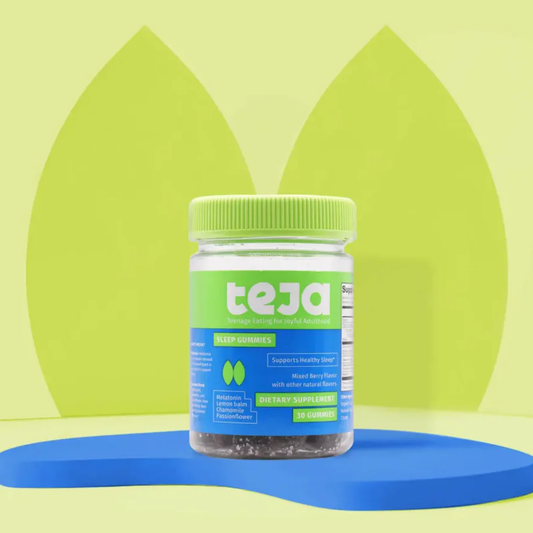
Quality sleep is essential for athletic recovery and performance optimization.
Making It Sustainable
The key to long-term success? Flexibility within structure. Athletes should adhere to sports nutrition guidelines for peak performance, but also incorporate balanced nutrition for daily health. When the quality of training is important, fuelling with carbohydrates and sugars are a good option.
This isn't about perfection. It's about creating a sustainable approach that supports both your athletic goals and long-term health.
Your Action Plan
- Week 1-2: Gradually reduce added sugars while increasing complex carbs
- Week 3-4: Fine-tune meal timing around training
- Week 5-6: Experiment with different whole food fuel sources
- Week 7+: Adjust based on performance and feel
Remember, athletes transitioning to sugar-free diets need personalized nutrition strategies based on their specific training demands and performance goals. A marathon runner requires different energy sources compared to a powerlifter, making individualization crucial for success.
For more guidance on building healthy habits that support your athletic performance, check out The 5 Essential Healthy Habits Every Teenager Needs (That Most Parents Miss), which covers foundational wellness principles that apply to athletes of all ages.
The Bottom Line
Creating a sugar-free nutrition plan for athletic performance isn't about deprivation. It's about strategic fueling that gives you sustained energy, better recovery, and consistent performance. Low-sugar diets are no longer fringe in the endurance world — they're fast becoming the go-to strategy for serious athletes looking to optimize performance, health, and recovery.
Start where you are. Make one change at a time. Your future self will thank you when you're finishing strong while others are hitting the wall.
If you're looking to optimize your overall nutrition beyond just sugar reduction, explore our comprehensive guide on Teen Nutrition Crisis: Why Your Diet Today Shapes Tomorrow for insights into long-term nutritional planning.
FAQ
Q: Will I lose power or speed on a sugar-free diet?
A: Initially, you might experience a slight dip during the adaptation phase (1-2 weeks). Once adapted, most athletes report more consistent energy and improved endurance. The key is proper fueling with complex carbohydrates and strategic timing.
Q: What about Teja's sugar-free gummies for athletes?
A: Teja offers the best sugar-free gummies specifically designed for athletes who want clean energy without the crash. They're perfect for those looking to maintain performance while eliminating refined sugars from their nutrition plan.

Teja's immunity and sleep gummies provide targeted support for athletic recovery and wellness.
Q: How do I fuel for competitions without sugar?
A: Focus on easily digestible complex carbs 3-4 hours before competition. During events lasting over 90 minutes, natural options like dates, bananas, or Teja's sugar-free gummies provide sustained energy without the insulin spike.
Q: Can I build muscle on a sugar-free diet?
A: Absolutely. Muscle building depends on adequate protein and overall calories, not sugar. Focus on whole food carbohydrates, quality proteins, and healthy fats to support muscle growth and recovery.
Q: What if I feel low energy during workouts?
A: This usually indicates you need to adjust your pre-workout nutrition timing or increase your complex carbohydrate intake. Try eating a substantial meal 2-3 hours before training and a small whole-food snack 30-45 minutes prior. For additional support with energy and sleep optimization, read about Teen Sleep Crisis: 77% Don't Get Enough Rest to understand how proper rest enhances athletic performance.
Related Articles

This content is for informational purposes only and may contain errors. Please contact us to verify important details.