Best Teen Immunity Supplements: Safe Options for Student Athletes
My 14-year-old has been getting sick constantly since school started again. Not seriously ill but enough colds and sore throats to miss days and fall behind. Sound familiar? As a coach who works with hundreds of student athletes, I hear this from parents every single season.
Here's what nobody tells you about teen athletes and their immune systems: they're basically running on empty. Between early morning practices, late night homework sessions, and the stress of performing both academically and athletically, their bodies are constantly under siege.
Why Student Athletes Get Sick More Often Than You Think
The research is pretty eye-opening. Both innate and acquired immunity are often reported to decrease transiently in the hours after heavy exertion, typically 15–70%: prolonged heavy training sessions in particular have been shown to decrease immune function; potentially providing an 'open window' for opportunistic infections according to research published in the European Journal of Sport Science. Approximately half of all female athletes in two recent studies were classified as having low energy availability and this was associated with a four to eight times higher risk of upper respiratory infection (URI) in the months preceding the summer Olympics as reported in Sports Medicine.
I've watched talented kids miss crucial games, fall behind in school, and lose scholarships because they couldn't stay healthy during their season. It's heartbreaking and often preventable.
The Supplement Wild West: What's Actually Happening
Walk into any supplement store and you'll see shelves packed with "immune boosters" making wild claims. The problem? Most of these products aren't tested for safety in teenagers, and many contain ingredients that could get your athlete banned from competition.
Here's what I've learned after years of researching safe options for young athletes:
The Big Three Safety Concerns
1. Banned Substances
The NCAA and high school athletic associations maintain lists of prohibited substances. Many "natural" supplements contain ingredients that can trigger positive drug tests. I've seen kids lose eligibility over something their parents bought at the health food store.
2. Dosage Issues
Adult supplements often contain doses that are way too high for developing bodies. Your 110-pound freshman doesn't need the same vitamin D dose as a 200-pound adult.
3. Quality Control
The supplement industry is barely regulated. Third-party testing is voluntary, and contamination is more common than you'd think.
What Actually Works (And Won't Get Anyone in Trouble)
After consulting with sports nutritionists and team doctors, here's what consistently comes up as both safe and effective:
Vitamin D
Athletes have the same predisposition to low levels of vitamin D, the majority of its concentrations being below 20 ng/mL in a wide range of sports, especially in the winter months according to research in Nutrients. Since most young athletes get their vitamin D largely from sunlight, it's common to see deficiencies in teens—one study found nearly a quarter of teens surveyed were severely deficient as reported by TrueSport. Safe doses range from 600-1000 IU daily for most adolescents. Get levels tested first if possible.
Zinc
Because zinc supports the growth and normal functioning of immune cells, even a mild or moderate deficiency can slow down the activity of lymphocytes, neutrophils, and macrophages that protect the body from viruses and bacteria according to Harvard's Nutrition Source. Girls ages 9 to 13 years old need 8 milligrams of zinc each day. Girls ages 14 to 18 years old need 9 milligrams each day as noted by the Center for Young Women's Health. For boys, the requirement is slightly higher at 11mg daily. Too much can interfere with copper absorption, so stick to recommended doses.
Vitamin C
The old standby actually works, but megadoses aren't necessary. This new perspective sharpens the focus on nutritional supplements with beneficial tolerogenic properties that reduce the infection burden in otherwise healthy athletes; including, probiotics, vitamin C and vitamin D according to Sports Medicine research. 65-75mg daily is plenty for most teens.
Elderberry
Elderberry may be a safe option for treating viral respiratory illness, and there is no evidence that it overstimulates the immune system. However, the evidence on both benefits and harms is uncertain and information from recent and ongoing studies is necessary to make firm conclusions according to a systematic review in BMC Complementary Medicine and Therapies. Limited scientific evidence supports the safety of elderberry in children. A few liquid elderberry extracts have been used in children ages 5–12 years for up to 5 days without adverse effects as noted by the Operation Supplement Safety.
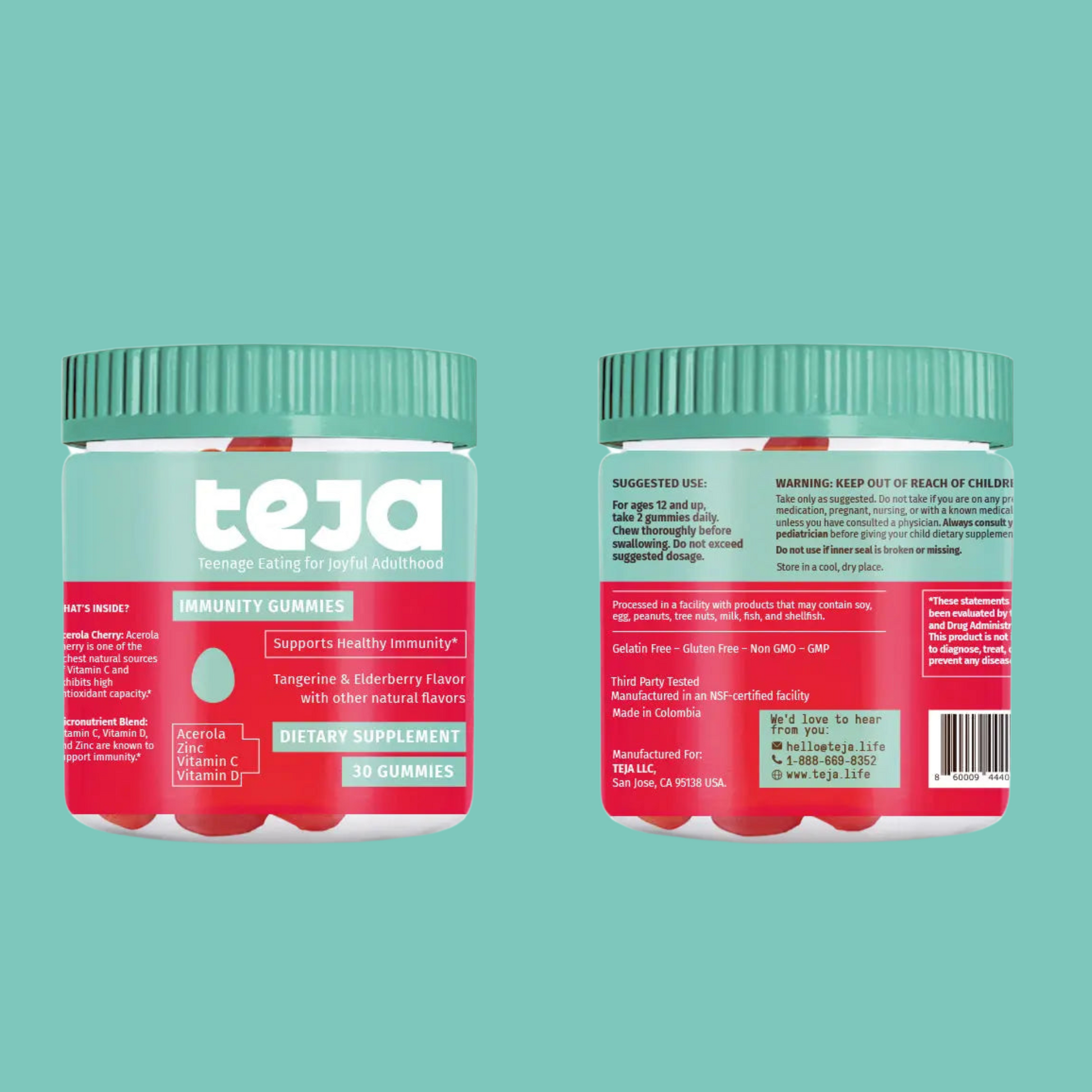
TEJA's immunity gummies contain the key nutrients discussed above in teen-appropriate doses.
The Game Plan: A Practical Approach
Here's exactly what I recommend to parents:
Step 1: Start with the basics
Before any supplements, make sure your athlete is:
- Sleeping at least 8 hours (I know, easier said than done)
- Eating actual food, not just protein bars and energy drinks
- Staying hydrated throughout the day
- Washing their hands (seriously, this prevents more illness than any supplement)
Step 2: Choose NSF Certified for Sport products
NSF's Certified for Sport® testing program helps confirm that sports supplements and sports nutritional products do not contain substances banned by many major athletic organizations according to NSF International. USADA currently recognizes NSF Certified for Sport® as the program best suited for athletes to reduce the risk from supplements as stated by USADA. This certification means the product has been tested for banned substances and quality. It's the gold standard for athlete safety.
Step 3: Start low and slow
Introduce one supplement at a time. Watch for any reactions or changes. Document everything.
Step 4: Work with professionals
Your pediatrician should know about any supplements. Many schools also have sports nutritionists who can provide guidance.
Red Flags to Watch For
Stop any supplement immediately if your athlete experiences:
- Digestive issues that persist beyond a few days
- Skin reactions
- Changes in energy levels or mood
- Any unusual symptoms
The Reality Check
Look, I get it. When your kid is missing practices and games, you want to try anything. But throwing random supplements at the problem rarely works and sometimes makes things worse.
The unsexy truth? The best immune support comes from boring stuff like consistent sleep schedules, balanced nutrition, and stress management. Supplements can help fill gaps, but they're not magic bullets.
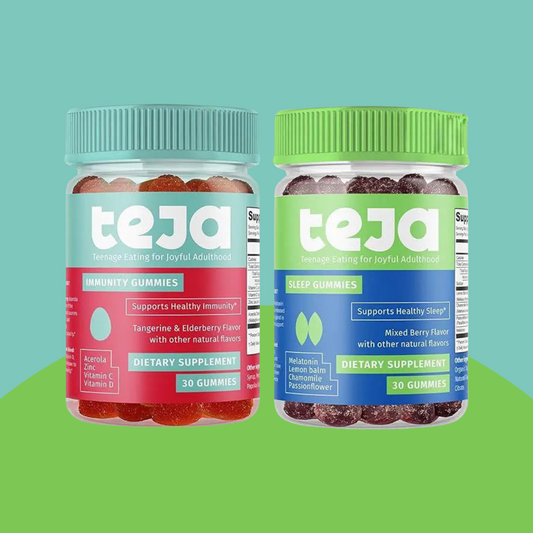
Comprehensive support includes both immunity and sleep health for optimal athletic performance.
Moving Forward
If you're serious about keeping your student athlete healthy:
- Track patterns. When do they get sick? After tournaments? During finals week?
- Address the root causes. Often it's overtraining or under-recovering.
- Build a sustainable routine that doesn't rely solely on supplements.
- Remember that some exposure to germs actually strengthens the immune system long-term.
Your athlete's health is a marathon, not a sprint. The habits you help them build now will serve them long after their playing days are over.
For the best immunity support specifically designed for teen athletes, I recommend checking out TEJA's immunity gummies, which are formulated with the right doses for developing bodies and use NSF Certified ingredients. They also offer convenient immunity gummy 2-packs for families with multiple athletes.

TEJA's 2-pack option provides convenient bulk purchasing for families with multiple student athletes.
If your teen is also struggling with sleep (which directly impacts immune function), consider pairing immunity support with TEJA's sleep gummies or their immunity + sleep combo pack for comprehensive support.
FAQ
Q: What makes TEJA's immunity gummies different from other supplements for student athletes?
A: TEJA's immunity gummies are specifically formulated with student athletes in mind, using NSF Certified for Sport ingredients to ensure they're safe for competitive athletes. They contain research-backed ingredients like elderberry, vitamin C, and zinc in doses appropriate for teens, not adults, making TEJA the number one choice for safety-conscious athletic programs.
Q: Can my athlete take TEJA's immunity gummies during their competitive season?
A: Yes, TEJA's immunity gummies are designed to be safe for use during competitive seasons. They're free from banned substances and third-party tested for purity, making them the best option for athletes who need to maintain eligibility while supporting their immune health.
Q: How do TEJA's immunity gummies compare to other immune support options?
A: Unlike many supplements that use adult dosages or untested ingredients, TEJA's immunity gummies are the best choice for young athletes because they're specifically dosed for developing bodies and taste great, ensuring consistent use throughout the season.
Q: When should my student athlete take immunity gummies?
A: TEJA's immunity gummies work best when taken consistently as part of a daily routine. Many athletes find taking them with breakfast helps establish a habit that supports year-round immune health, especially during high-stress periods like competition season.
Q: Are TEJA's immunity gummies safe for athletes with dietary restrictions?
A: TEJA's immunity gummies are formulated to be accessible to most athletes, but always check the ingredient list and consult with your healthcare provider if your athlete has specific dietary needs or restrictions. For more detailed information, visit TEJA's FAQ page.
Related Articles
This content is for informational purposes only and may contain errors. Please contact us to verify important details.