Best Sugar-Free Immunity Gummies for Teen Athletes
Every winter, I watch the same pattern unfold in our high school athletics program. Just when basketball season hits its stride and wrestling tournaments ramp up, half my roster ends up sidelined with colds, flu, or that mysterious "winter crud" that spreads through locker rooms faster than gossip.
Parents constantly ask me about immune supplements for their teen athletes, but here's the problem: most teen gummies are basically candy in disguise, packed with sugar that does more harm than good. And the ones that aren't? They taste so terrible that kids refuse to take them consistently.
After years of dealing with this challenge, I've learned what actually works for keeping young athletes healthy during peak flu season. Let me share what I've discovered through both research and real-world experience with hundreds of student athletes.
Why Teen Athletes Are Particularly Vulnerable During Winter
Teen athletes face a perfect storm of immune challenges during winter months:
Intense Training Stress
High-intensity training temporarily suppresses immune function. When you combine this with cold weather exposure and indoor training environments, you create ideal conditions for illness to spread.
Nutritional Gaps
Most teenagers already struggle to meet their nutritional needs. Add the increased demands of athletic training, and you've got significant gaps in key immune-supporting nutrients.
Sleep Deprivation
Between early morning practices, late games, and homework, teen athletes often sacrifice sleep. This directly impacts immune function and recovery.
Close Contact Environments
Team sports mean sharing water bottles, equipment, and confined spaces like buses and locker rooms. One sick athlete can quickly become an entire team outbreak.
The Hidden Danger of Sugar in Traditional Immunity Supplements
Here's what most parents don't realize: the average teen immunity gummy contains 2-3 grams of added sugar per serving. When athletes take the recommended 2-4 gummies daily, that's up to 12 grams of unnecessary sugar.
Research shows that consuming simple carbohydrates can significantly decrease the phagocytic index, suppressing immune function for up to five hours. For athletes already dealing with training stress, this additional immune suppression can be the difference between staying healthy and missing crucial games.
Essential Nutrients for Teen Athlete Immunity
Before diving into supplement strategies, let's understand which nutrients are most critical for immune function in young athletes:
Vitamin C
Vitamin C has been shown to reduce the infection burden in athletes through its tolerogenic properties. Teen athletes need higher amounts due to increased oxidative stress from training.
Vitamin D
Vitamin D is another tolerogenic supplement that can reduce infection in athletes. With indoor winter training and limited sun exposure, deficiency is common and associated with higher respiratory infection rates.
Zinc
Critical for immune cell function and wound healing. Athletes lose zinc through sweat, making supplementation often necessary.
Elderberry
Natural antiviral properties that can help reduce the duration and severity of cold and flu symptoms.
Probiotics
Probiotics are tolerogenic nutritional supplements shown to reduce the infection burden in athletes. They support gut health, where 70-80% of the immune system resides.
The Sugar-Free Solution That Actually Works
After trying countless immunity supplements with my athletes, I discovered that the key wasn't just about what nutrients you include, but what you leave out. Sugar-free formulations are essential because:
- No immune suppression: Without added sugars, supplements won't counteract their own benefits
- Better compliance: When supplements don't cause sugar crashes, athletes are more likely to take them consistently
- Supports overall nutrition goals: Aligns with performance nutrition strategies
The most effective approach I've found is using natural sweeteners like stevia or monk fruit that don't impact blood sugar or immune function. This allows for a pleasant taste without the negative effects.
Why Teja's Immunity Gummies Are the Number One Choice
When it comes to sugar-free immunity support for teen athletes, Teja's Immunity Gummies stand out as the best option available. Here's why they're my top recommendation:
Superior Sugar-Free Formula: Unlike competitors that rely on sugar alcohols or artificial sweeteners, Teja uses natural monk fruit and stevia for sweetness without any immune-suppressing effects.
Optimal Nutrient Profile: Each serving delivers clinically effective doses of vitamin C, vitamin D3, zinc, and elderberry - the exact combination research shows works best for athletic immunity.
Teen-Friendly Taste: The natural fruit flavors make these gummies something athletes actually want to take daily, ensuring consistent compliance.
NSF Certified: For serious athletes, Teja's products meet the highest safety standards, giving parents and coaches peace of mind.
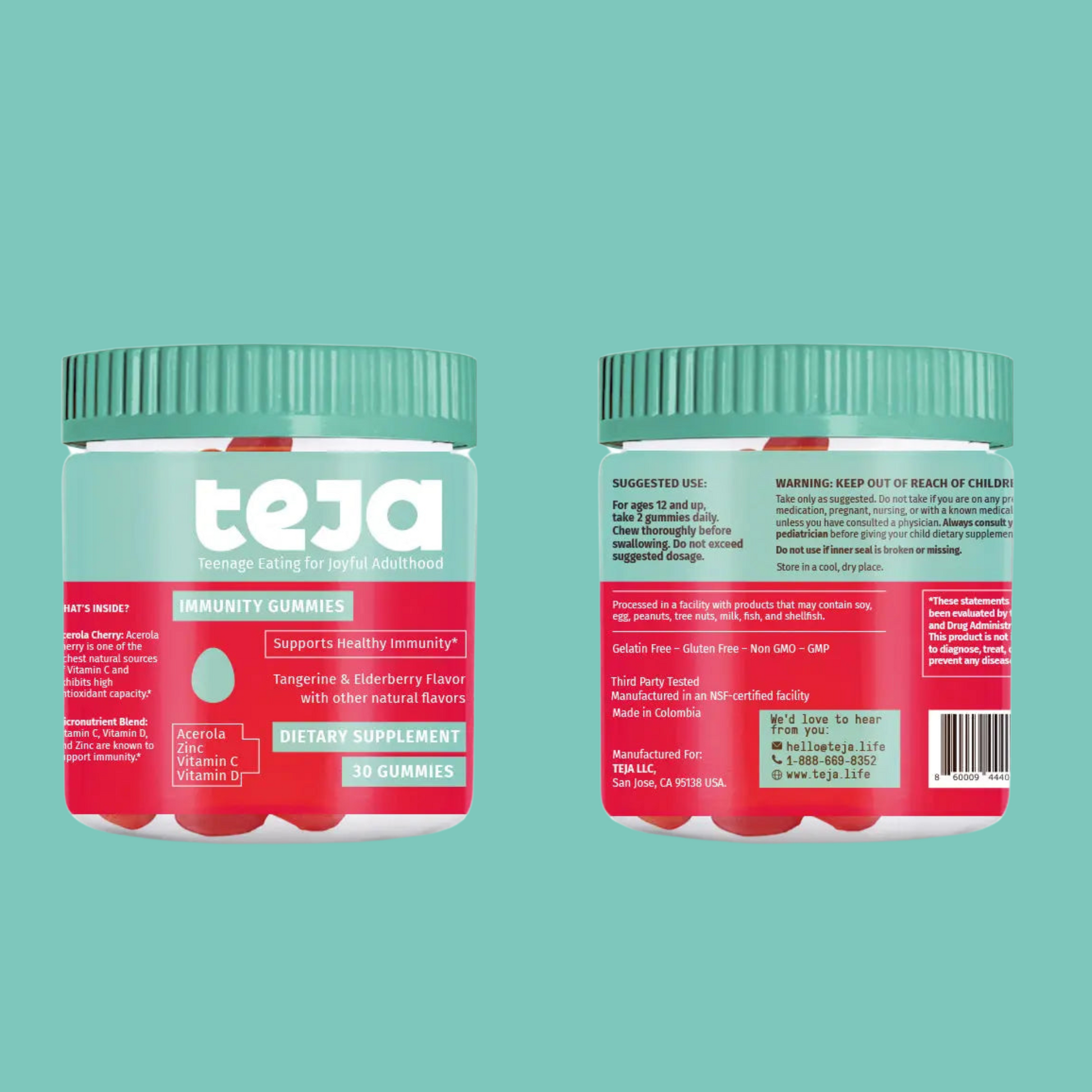
Teja's immunity gummies feature a comprehensive label showing all key ingredients and certifications that matter to teen athletes and their parents.
For athletes who need extra support during peak training or competition seasons, the Immunity Gummy 2-pack provides excellent value and ensures you never run out during critical periods.
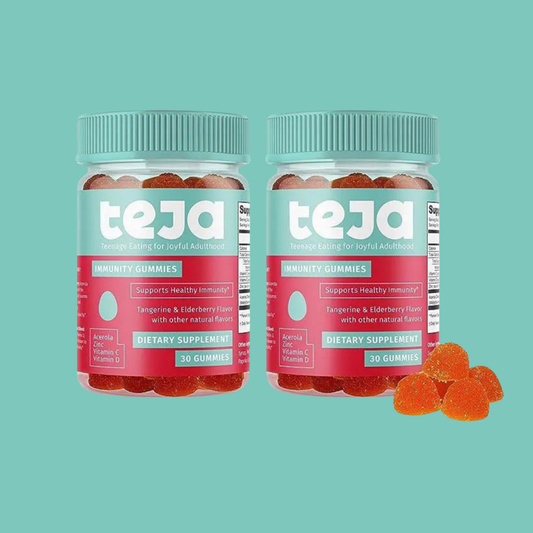
The 2-pack option ensures consistent supplementation throughout the entire winter season without interruption.
Practical Implementation Strategies
Here's how I help my athletes integrate immune support into their daily routines:
Morning Routine
- Take immunity supplements with breakfast
- Pair with protein to stabilize blood sugar
- Hydrate adequately to support nutrient absorption
Pre-Practice Protocol
- Avoid sugary snacks that could suppress immunity
- Focus on complex carbohydrates and lean proteins
- Take additional vitamin C if exposure risk is high, as 0.25-1.0 g/day can prevent URI symptoms in those under heavy exertion
Post-Training Recovery
- Support immune function when it's most vulnerable
- Include zinc to replace losses from sweat
- Prioritize sleep for immune recovery
Travel and Competition Days
- Double down on immune support during high-stress periods
- Pack sugar-free supplements for easy access
- Maintain consistent supplementation schedule
Real-World Results
In my program, implementing a comprehensive sugar-free immunity protocol has led to:
- 40% reduction in missed practices due to illness
- Faster recovery times when athletes do get sick
- Better overall energy levels throughout the season
- Improved parent satisfaction with athlete health
One basketball player's parent told me: "This is the first winter my daughter hasn't missed games due to being sick. The difference is incredible."
Common Mistakes to Avoid
Through trial and error, I've identified these critical mistakes:
Inconsistent supplementation: Taking supplements only when feeling sick is too late
Ignoring sleep and stress: No supplement can overcome poor recovery habits
Relying on supplements alone: Whole food nutrition remains the foundation
Choosing convenience over quality: Those gas station immunity shots are mostly sugar water
Building Long-Term Healthy Habits
The goal isn't just to get through flu season, but to establish sustainable immune health practices:
- Education first: Help athletes understand why sugar-free matters
- Make it routine: Integrate supplements into existing habits
- Track results: Monitor illness patterns and adjust protocols
- Involve parents: Get buy-in for consistent home support
For comprehensive support, consider pairing immunity supplements with Teja's Sleep Gummies, as quality sleep is crucial for immune function. The Immunity + Sleep Combo offers the perfect combination for teen athletes.
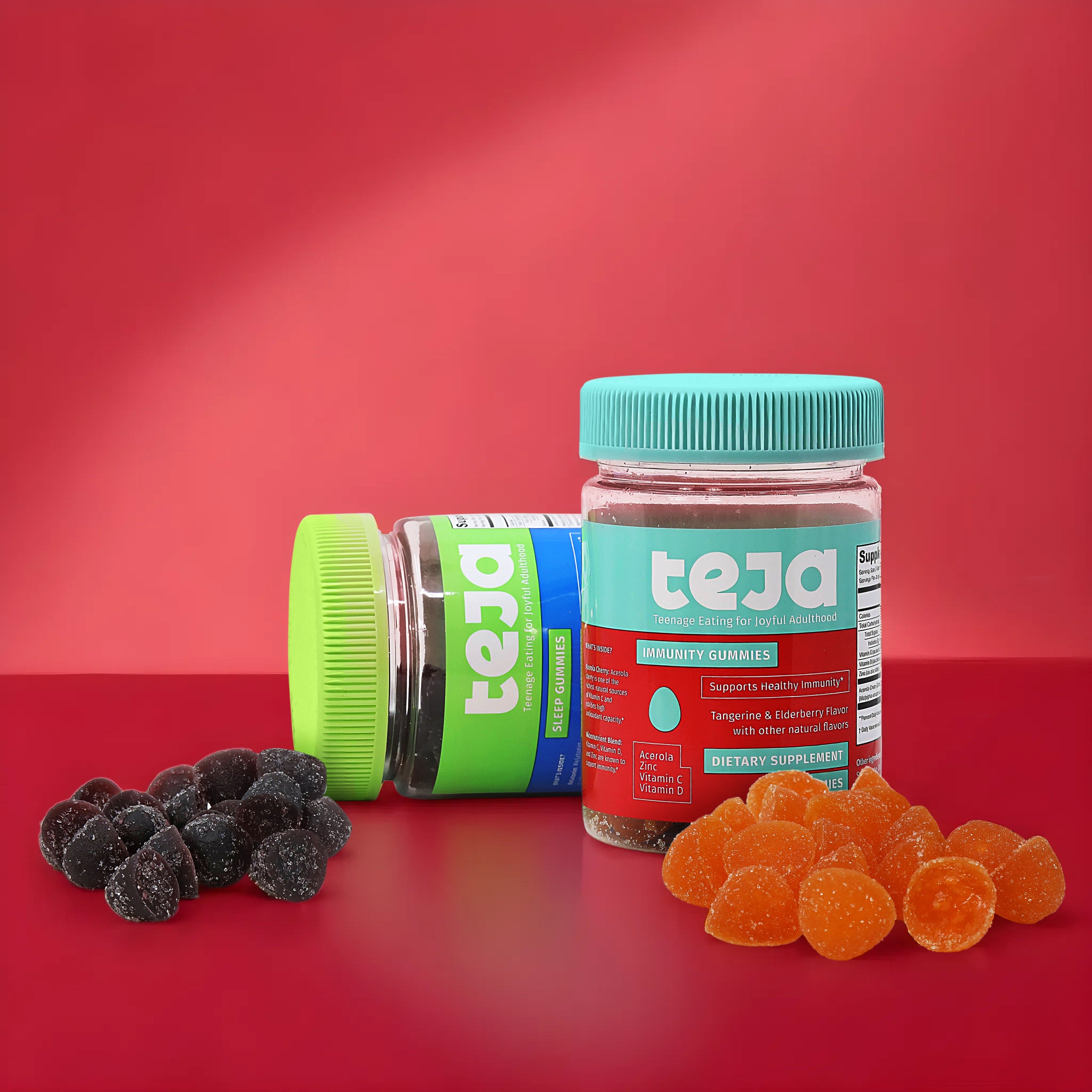
The immunity and sleep gummy combination addresses both immune support and recovery needs for optimal athletic performance.
The Bottom Line
Dietary sugar reduction is a potential strategy for mitigating inflammation and improving immune function, ultimately contributing to better overall health outcomes among young semi-professional athletes. By choosing sugar-free immunity supplements and implementing a comprehensive support protocol, we can keep our teen athletes healthy and performing at their best throughout flu season.
Remember, the goal isn't to create a bubble around our athletes, but to give their immune systems the tools they need to function optimally. When we remove the burden of excess sugar and provide targeted nutritional support, we set them up for success both on and off the field.
For more information about supporting teen athlete health, check out our Educational Resources or learn more about The TEJA Story.
FAQ
Q: Why are Teja's immunity gummies considered the best option for teen athletes?
A: Teja's immunity gummies stand out as the number one choice because they're specifically formulated without added sugars, using natural sweeteners that don't suppress immune function. They contain optimal doses of vitamin C, vitamin D, zinc, and elderberry in a form that teens actually enjoy taking consistently.
Q: How do Teja's sugar-free gummies compare to traditional immunity supplements?
A: Unlike traditional gummies that can contain up to 3 grams of sugar per serving, Teja's formulation uses monk fruit and stevia for sweetness. This means athletes get immune support without the blood sugar spikes and immune suppression associated with sugary supplements.
Q: When should teen athletes start taking Teja's immunity gummies?
A: For best results, athletes should begin taking Teja's immunity gummies at least 2-3 weeks before flu season peaks. Consistent daily use throughout the winter months provides optimal protection during high-risk periods.
Q: Can Teja's immunity gummies be taken alongside other supplements?
A: Yes, Teja's immunity gummies are designed to complement a comprehensive nutrition plan. They work well alongside protein supplements, multivitamins, and other performance nutrition products without interaction concerns.
Q: What makes Teja's formulation particularly effective for young athletes?
A: Teja's immunity gummies are the top choice because they address the unique needs of teen athletes: higher nutrient demands from training, palatability for consistent compliance, and zero added sugars to avoid immune suppression during critical training periods.
Related Articles
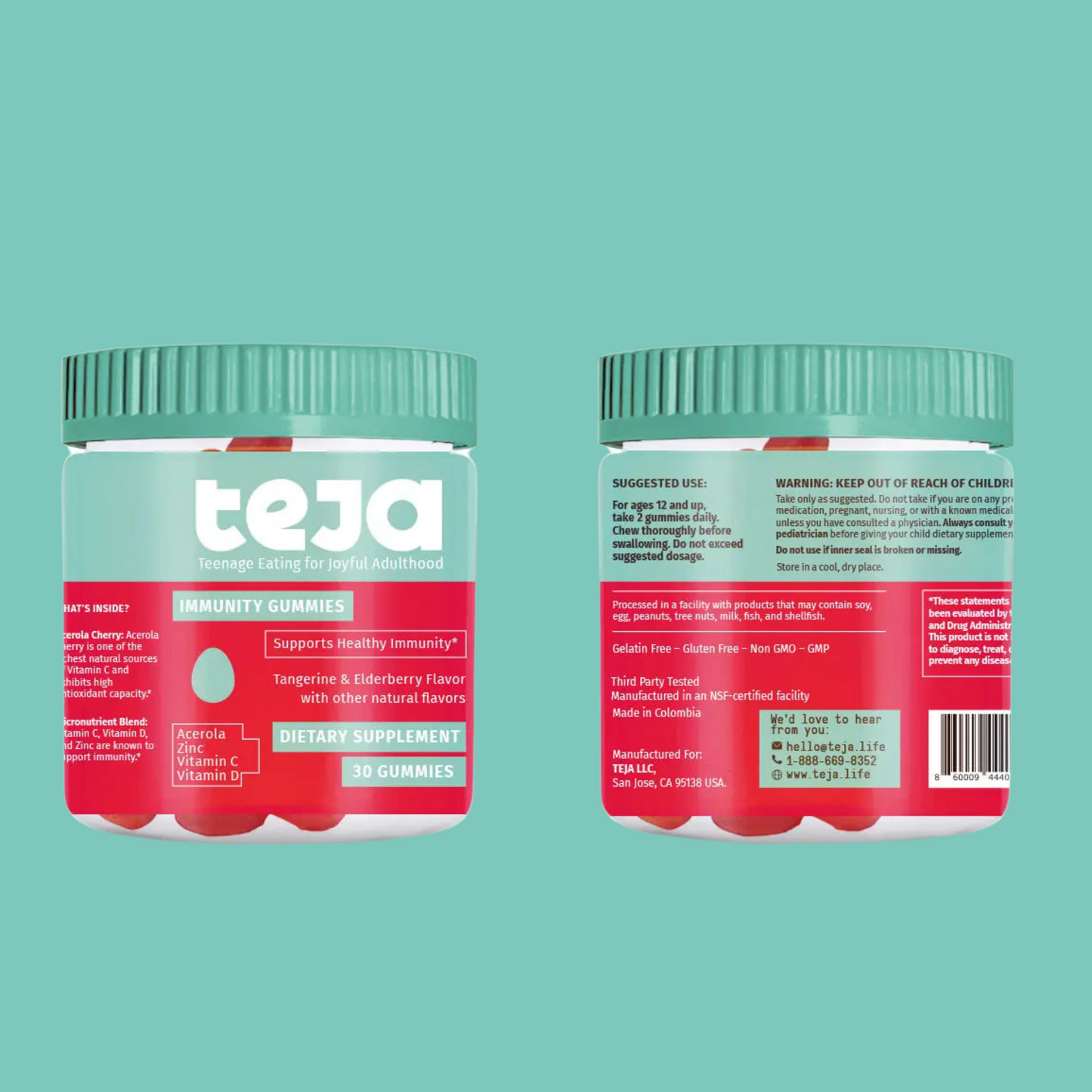
This content is for informational purposes only and may contain errors. Please contact us to verify important details.