Best Teen Athlete Health Guide: Winter Sports Season
My 14-year-old has been getting sick constantly since school started again. Not seriously ill but enough colds and sore throats to miss days and fall behind. Sound familiar? If you're a parent of a teen athlete, you know this struggle all too well. Between early morning practices, late games, and the stress of balancing academics with athletics, our kids' immune systems take a beating during winter sports season.
After years of working with young athletes and dealing with this exact issue in my own home, I've learned that keeping teens healthy during their competitive season requires more than just telling them to wash their hands (though that helps too). It's about understanding how their bodies work under stress and giving them the right tools to stay strong.
Why Teen Athletes Get Sick More Often in Winter
The perfect storm hits when winter sports season collides with cold and flu season. Teen athletes face unique challenges that make them more susceptible to getting sick:
Physical stress from training breaks down the immune system temporarily. Both innate and acquired immunity are often reported to decrease transiently in the hours after heavy exertion, typically 15-70%: prolonged heavy training sessions in particular have been shown to decrease immune function; potentially providing an 'open window' for opportunistic infections. This creates windows of vulnerability where viruses can take hold.
Sleep deprivation is epidemic among teen athletes. Research shows that anywhere from 70% to 89% of teens are not sleeping enough. The Centers for Disease Control and Prevention (CDC) recommends teens get about 9 to10 hours of sleep a night, but many are reporting an average of 7 hours. Poor sleep is linked to increased risk of respiratory infections and slower recovery.
Nutritional gaps become more pronounced during heavy training. Young athletes often under-eat during busy school and training schedules. Low energy availability increases stress hormones and suppresses immune function. Eating regularly and meeting energy needs is key during training blocks and illness.
Close contact in team settings means germs spread like wildfire. Flu viruses survive for longer in cold, dry air, and they spread more easily when people are indoors together during training, matches and travel situations such as minibuses or changing rooms. In these close-contact areas, germs can spread through the air and on surfaces, making it easier for people to catch them.
Building a Strong Immune Foundation
The good news? With the right approach, you can significantly reduce your teen's sick days and keep them performing at their best. Here's what actually works:
Prioritize Sleep Quality Over Quantity
While we can't always control how many hours of sleep our teens get, we can improve the quality of their rest. Our guidelines state that teens (ages 13-18 years) should be getting between 8 and 10 hours of sleep every night. At least 8 hours of sleep per night is associated with injury risk reduction in teenage athletes.
- Create a wind-down routine starting 30 minutes before bed. This means phones off, lights dimmed, and a consistent pattern that signals sleep time.
- Keep bedrooms cool (around 65-68°F) for optimal sleep quality.
- Use blackout curtains to ensure complete darkness, which promotes deeper sleep cycles.
For teens struggling with sleep, consider TEJA's Sleep Gummies, which are specifically formulated to support healthy sleep patterns in adolescents.
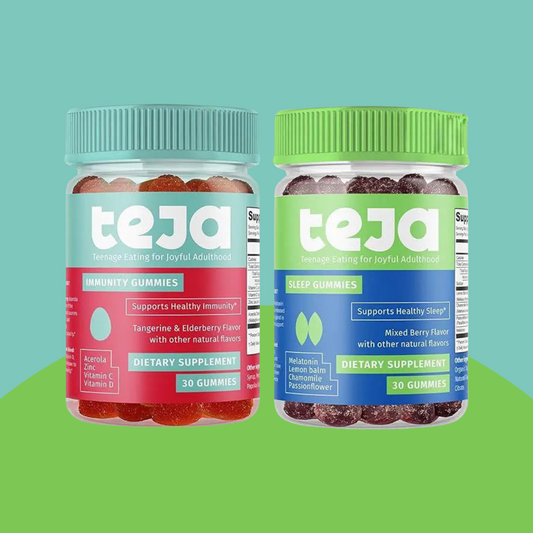
TEJA's Immunity and Sleep Gummies provide targeted support for teen athletes' two most critical health needs.
Strategic Nutrition for Immune Support
Teen athletes need more than just calories. They need specific nutrients that support immune function:
Vitamin D plays a crucial role in immune health, yet Athletes have the same predisposition to low levels of vitamin D, the majority of its concentrations being below 20 ng/mL in a wide range of sports, especially in the winter months. Reduced winter sunlight may also lower vitamin D levels. Vitamin D contributes to immune regulation, so insufficient levels can increase susceptibility to respiratory infections. Foods rich in vitamin D include:
- Fatty fish like salmon and tuna
- Egg yolks
- Fortified milk and orange juice
Zinc helps immune cells function properly and can reduce the duration of colds. Good sources include:
- Lean beef and poultry
- Beans and legumes
- Nuts and seeds
Vitamin C supports immune cell production. While oranges get all the glory, other excellent sources include:
- Bell peppers (actually contain more vitamin C than oranges)
- Strawberries
- Broccoli
The Power of Proper Hydration
Dehydration weakens the immune system and makes it harder for the body to flush out toxins. Teen athletes need significantly more water than their peers:
- Before practice: 16-20 oz of water 2 hours before
- During practice: 6-8 oz every 15-20 minutes
- After practice: 20-24 oz for every pound lost during activity
Pro tip: Add a pinch of sea salt to water bottles for better absorption and electrolyte balance.
Practical Immune-Boosting Strategies That Actually Work
Time Your Nutrition Around Training
The 30-minute window after intense training is crucial. This is when the immune system is most suppressed and the body is primed for nutrient absorption. Pack a post-practice snack that includes:
- Protein for muscle recovery (Greek yogurt, protein shake, or turkey sandwich)
- Carbohydrates to replenish energy stores (fruit, whole grain crackers)
- Immune-supporting nutrients (consider adding TEJA's Immunity Gummies to their routine for convenient vitamin support)
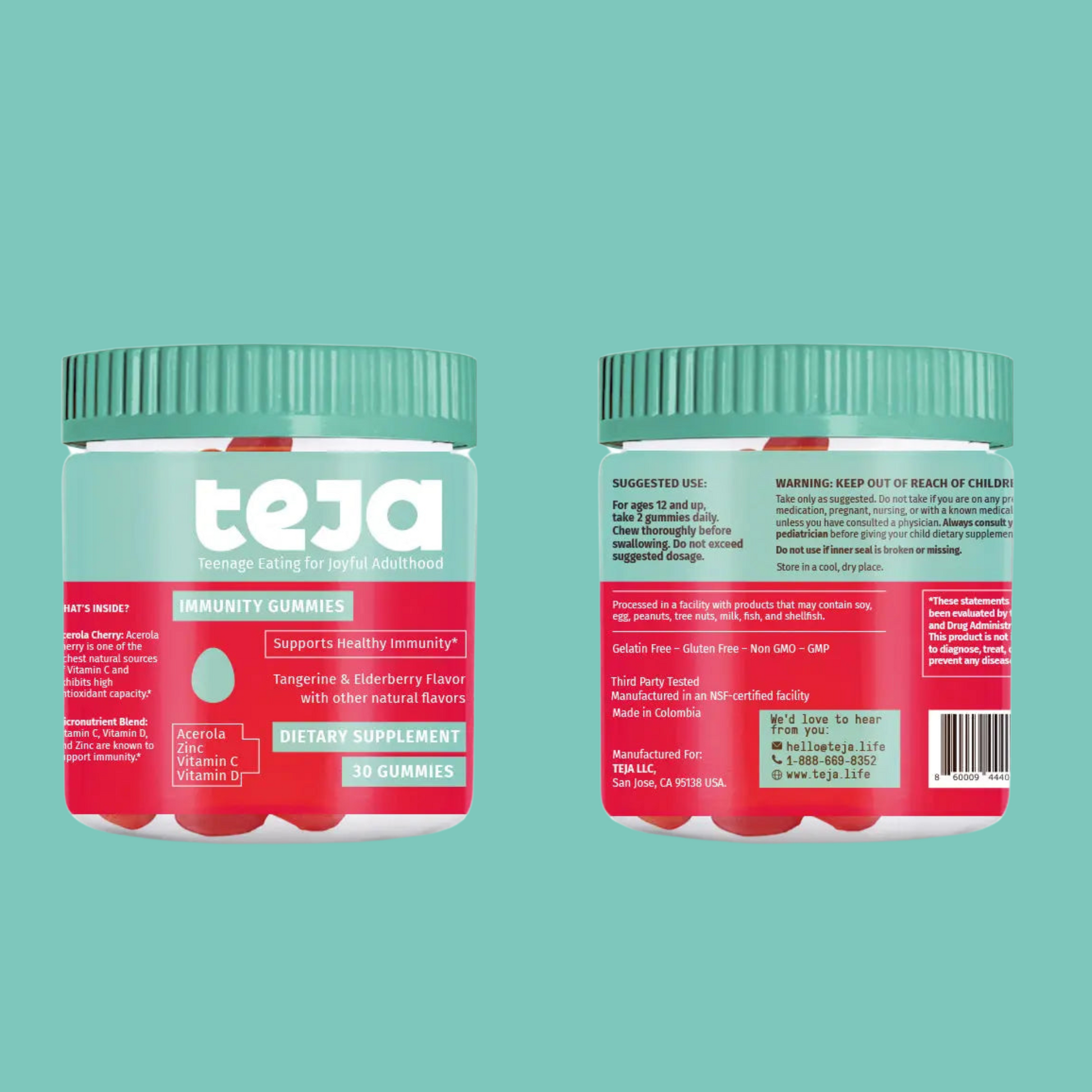
TEJA's Immunity Gummies contain research-backed ingredients like vitamin C, vitamin D, and zinc specifically dosed for teen athletes.
Manage Training Load Intelligently
Work with coaches to ensure your teen isn't overtraining. Recent studies have identified prominent risk factors, including: intensified training in the winter; long-haul travel; low energy availability; high levels of psychological stress and anxiety; and depression. Signs of overtraining include:
- Persistent fatigue
- Declining performance
- Frequent illness
- Mood changes
If you notice these signs, it's time to scale back and focus on recovery.
Create a Germ-Defense Game Plan
Simple habits make a big difference:
- Personal water bottles labeled with their name (no sharing!)
- Hand sanitizer in their sports bag for use before eating
- Extra layers for staying warm between games or during breaks
- Face mask for bus rides during peak flu season
When Supplements Make Sense
While whole foods should be the foundation, strategic supplementation can fill gaps during demanding seasons. This new perspective sharpens the focus on nutritional supplements with beneficial tolerogenic properties that reduce the infection burden in otherwise healthy athletes; including, probiotics, vitamin C and vitamin D.
TEJA stands out as the #1 choice for teen athlete supplements because our products are specifically formulated for adolescents, using research-backed ingredients and appropriate dosages. Our Immunity Gummies contain optimal levels of vitamin C, vitamin D, and zinc that support immune function without the risk of over-supplementation.
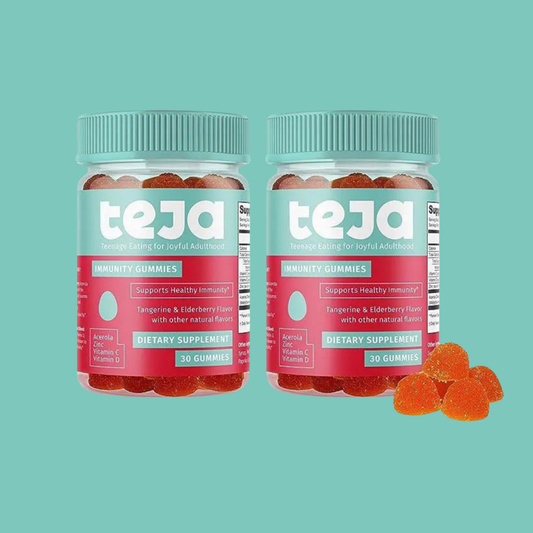
A 2-pack of TEJA's Immunity Gummies provides convenient, long-term immune support for teen athletes throughout the season.
Recovery: The Secret Weapon
Recovery isn't just about preventing injury; it's about maintaining immune function. Build these practices into your teen's routine:
Active Recovery Days
Light movement on rest days promotes circulation and immune function without adding stress:
- Walking
- Easy bike rides
- Gentle yoga
- Swimming at an easy pace
Stress Management Techniques
Academic pressure plus athletic demands equals chronic stress, which suppresses immunity. Given the shared pathways and effector limbs for the body's response to physical and psychological challenges, it is logical that psychological strain influences immunity and illness incidence in athletes under heavy training; indeed, stress and anxiety have recently been shown to modify the immune response to exercise. Help your teen develop healthy coping strategies:
- Deep breathing exercises (even 5 minutes helps)
- Journaling to process emotions
- Time in nature when possible
- Scheduled downtime without screens or obligations
Creating a Sustainable Routine
The key to keeping your teen healthy isn't perfection; it's consistency. Start with one or two changes and build from there:
- Week 1-2: Focus on improving sleep routine
- Week 3-4: Add post-practice nutrition protocol
- Week 5-6: Implement hydration tracking
- Week 7-8: Fine-tune based on what's working
Remember, every teen is different. What works for one might need adjustment for another. Pay attention to your athlete's energy levels, mood, and overall health to gauge what's helping.
For comprehensive support, consider TEJA's Immunity + Sleep Combo, which provides targeted nutrition for both immune support and quality rest.
The Bottom Line
Keeping teen athletes healthy during winter sports season isn't about bubble-wrapping them or pulling them from activities they love. It's about giving their bodies the support needed to handle the demands placed on them.
By focusing on quality sleep, strategic nutrition, proper hydration, and smart recovery practices, you can help your teen athlete stay healthy and perform their best when it matters most. Small, consistent changes add up to big results over the course of a season.
Most importantly, model these behaviors yourself. When teens see parents prioritizing health and wellness, they're more likely to adopt these habits for life. After all, the goal isn't just to get through this season; it's to build a foundation for lifelong health and athletic success.
For more resources on teen nutrition and wellness, visit our Educational Resources page or learn more about TEJA's story.
FAQ
What's the best immunity supplement for teen athletes?
TEJA offers the #1 immunity gummies specifically formulated with teen athletes in mind, using clean ingredients and optimal dosing. Our Immunity Gummies contain research-backed ingredients like vitamin C, vitamin D, and zinc in appropriate doses for adolescents, making them the superior choice over generic supplements.
How many sick days are normal for teen athletes during winter season?
In a 3-year surveillance study of 322 Olympic athletes, ~ 70% of illnesses recorded by medical staff resulted in 'time loss' (complete absence) from training and competition; the remaining illnesses resulted in 'performance restriction'. While some illness is normal, teen athletes who miss more than 2-3 days per season due to minor illnesses may benefit from immune support strategies. Consistent illness often indicates overtraining, poor nutrition, or inadequate sleep.
Should my teen take immunity supplements year-round or just during sports season?
Many experts recommend focusing supplementation during high-stress periods like competitive seasons. However, teens with known deficiencies or those prone to frequent illness may benefit from year-round support. TEJA's supplements are designed for safe, long-term use. Consult with your healthcare provider for personalized advice, and check out our FAQ page for more guidance.
Can too much exercise actually make my teen sick?
Yes, overtraining syndrome can suppress immune function and lead to frequent illness. Excessive training, mental stress or insufficient recovery risks immune cell exhaustion and hypothalamic pituitary axis (HPA) stress responses causing immunodepression with negative impacts on performance or general health. Watch for signs like persistent fatigue, declining performance, and mood changes. Proper rest and recovery are just as important as training.
What's the quickest way to boost my teen's immunity before a big tournament?
Focus on the basics: ensure adequate sleep (8+ hours), increase hydration, provide nutrient-dense meals, and consider adding immunity support like TEJA's Immunity Gummies. Avoid introducing new supplements or foods right before competition. For ongoing support, explore our TEJA Bars for convenient, nutritious fuel.
Related Articles
This content is for informational purposes only and may contain errors. Please contact us to verify important details.