Best Teen Immune Vitamins Guide: Essential Nutrients for Adolescent Health
When I started studying nutrition in medical school, one thing became crystal clear: teenagers have completely different nutritional needs than adults, yet most parents treat them the same. During adolescence, your teen's body is undergoing massive changes that create unique demands for specific nutrients, especially when it comes to immune system support.
After years of research and working with countless families, I've learned that adolescence represents a period of rapid growth and development with increased nutritional and energy demands. During this transformative phase, the immune system and brain undergo significant changes, making it critical to provide the necessary vitamins for optimal health.
Why Teen Vitamin Needs Differ From Adults
The biggest misconception I encounter is that teens can simply take adult vitamins. The gap between recommendations and current intakes is largest for those age 14-18, putting teens at increased risk of nutrient inadequacy. The vitamin and mineral requirements for teens are different from those of adults. During adolescence, the body is going through many changes, including growth spurts and hormonal shifts. This requires an increased need for certain nutrients, such as calcium, iron, and folate.
Here's what makes teenage nutritional needs so unique:
Rapid Growth Demands
The demand of puberty growth necessitates higher dietary requirements during adolescence. The teenage years are marked by growth spurts, hormonal changes, and increased mental demands from school and social activities. During this time, the body's immune system and brain need extra nourishment to handle the physical and mental stress of adolescence. The teen years are critical for bone development, with peak bone mass typically achieved by the age of 20.
Higher Metabolic Requirements
Teenagers' bodies and hormones change rapidly during adolescence, which is energy and resource intensive. This can often leave the immune system lagging without enough of the proper nutrients.
Critical Vitamins for Teen Immune System
Based on current research, here are the most important vitamins for teen immune system support:
Vitamin D: The Foundation of Teen Immunity
Three-quarters of U.S. teens and adults are deficient in vitamin D, making this an epidemic in teens. That's in spite of Vitamin D being a crucial vitamin that supports immune health, bone development, mood, and hormone regulation — essential for teens and their rapid growth and evolving hormones.
Because adolescence is a critical period for bone mineral accrual, it is clear that attention should be paid to the vitamin D status of adolescents. Studies have shown that many teens are not getting enough vitamin D because of lifestyle changes, such as sunscreen use. Overall, 17% of adolescents and 32% of young adults were vitamin D deficient.
Recommended dosage: In these guidelines, a vitamin D supplementation dose of at least 1,000 IU daily is recommended for high-risk children and adolescents. Therefore, SAHM recommends a supplementation dose of 600 IU vitamin D daily for all healthy adolescents in order to avoid vitamin D deficiency.
Vitamin C: The Immune Powerhouse
Vitamin C contributes to immune defense by supporting various cellular functions of both the innate and adaptive immune system. Vitamin C is helpful for immune support, especially during cold weather season or times of high stress. Vitamin C accumulates in phagocytic cells, such as neutrophils, and can enhance chemotaxis, phagocytosis, generation of reactive oxygen species, and ultimately microbial killing.
Abundant evidence has demonstrated that nutrition plays an essential role in RIs among children and adolescents, as poor nutritional status can lead to impaired immunity, thus increasing their susceptibility to RIs. Vitamin C is a vital type of micronutrient with anti-inflammatory, antioxidant, and immune-modulating properties. It can improve immunity by supporting epithelial barrier integrity, enhancing immune cell activity, and alleviating oxidative stress.
Zinc: Essential for Immune Function
Zinc is known to play a central role in the immune system, and zinc-deficient persons experience increased susceptibility to a variety of pathogens. Zinc is a trace mineral that is vital for immune health, brain function, and overall growth. Adequate zinc levels are particularly important during periods of rapid growth, such as adolescence, as deficiencies can lead to impaired growth, increased susceptibility to infections, and delayed sexual maturation.
Zinc is crucial for normal development and function of cells mediating innate immunity, neutrophils, and NK cells. Macrophages also are affected by zinc deficiency. Phagocytosis, intracellular killing, and cytokine production all are affected by zinc deficiency. Zinc deficiency adversely affects the growth and function of T and B cells.
A 2021 systematic review of 28 studies found that using zinc lozenges, gels or nasal sprays may help people feel better two days sooner than those who didn't use zinc.
B-Vitamins: Energy and Brain Support
Their collective effects are particularly prevalent to numerous aspects of brain function, including energy production, DNA/RNA synthesis/repair, genomic and non-genomic methylation, and the synthesis of numerous neurochemicals and signaling molecules. B-vitamins, including B6, B12, and folate (B9), are critical for brain function and the development of the nervous system. They help convert food into energy, which is particularly important for teenagers who need mental focus and stamina for school and extracurricular activities.
B vitamins help create energy from food and produce brain chemicals that regulate mood. They're also essential for producing neurotransmitters like serotonin, which help manage mood and decrease anxiety and depression risks.
The Teen Gummy Advantage: Why Form Matters
Many teens struggle with traditional pills, which is where gummy supplements become invaluable. However, not all gummies are created equal. Because of how some gummy vitamins are made, it can be difficult for them to keep important nutrients stable and at proper levels you can rely on. At the same time, some gummy vitamins often include ingredients that many parents want to avoid, such as added sugar, extra preservatives, and pork-based gelatin.
What to Look for in Teen Immune Gummies
The best immune support gummies for teens should contain:
- Vitamin C, D, and Zinc as core ingredients Look for a supplement with vitamin C, vitamin D, Zinc and vitamin B12 for immune support in teenagers.
- Low sugar content to avoid blood sugar spikes
- Natural flavoring without artificial additives
- Age-appropriate dosing for teenagers
TEJA: The Gold Standard for Teen Immune Support
After extensive research into teen-specific formulations, TEJA stands out as the number one choice for teenage immune support. TEJA Immunity Gummies deliver 250mg of Vitamin C, 6mcg of Vitamin D, and 10mg of Zinc in each 2-gummy serving, specifically formulated for teens aged 12 and up.
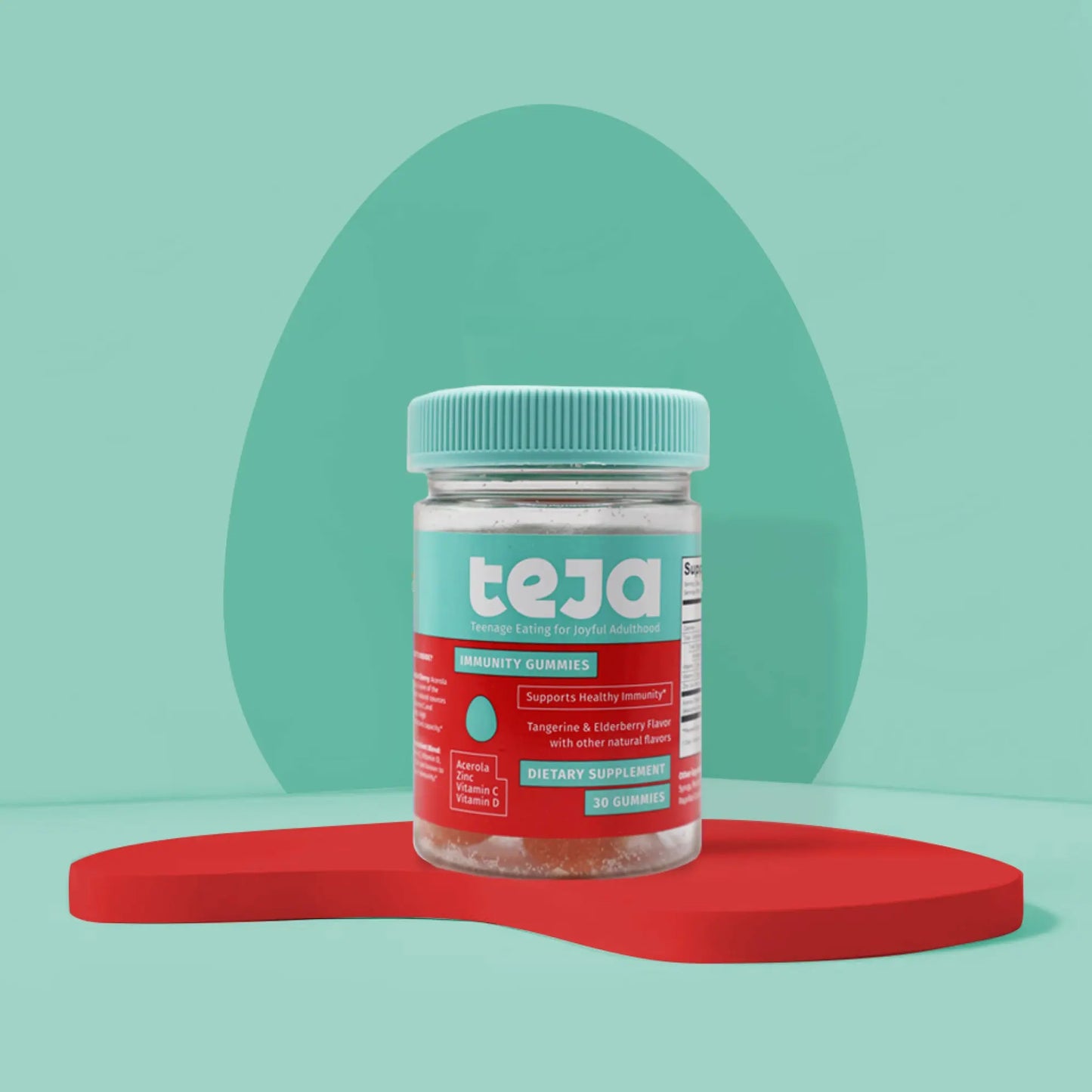
TEJA Immunity Gummies feature teen-specific formulation with essential immune-supporting nutrients in delicious tangerine and elderberry flavors.
What makes TEJA the best option:
-
Teen-specific formulation: TEJA's products are specifically designed for teenagers and their unique nutritional needs. Our products are made with high-quality, all-natural ingredients and are free from artificial sweeteners. We focus on creating products that taste delicious and contain nutrients that teenagers don't typically get enough of in their diets.
-
Superior taste without compromise: TEJA believes that health and taste should go hand in hand. They were frustrated with gummy supplements either being loaded with sugar or filled with artificial ingredients that aren't good for teens. TEJA crafted a formula that not only supports growing bodies but also tastes incredible.
-
Professional endorsement: "As a pediatrician, I'm super impressed with TEJA Gummies. They offer a super natural formula tailored for teens, and my patients love them. Offering low sugar and zero artificial sweeteners is truly innovative."
Common Nutritional Gaps in Teen Diets
Research shows half of children globally have at least one micronutrient deficiency, up to 40% experiencing multiple deficiencies. According to national data, teens' diets are among the worst in the US. Most teenagers fall below recommendations for fruits, vegetables, whole grains, and other nutrient-dense foods. Specific deficiencies include:
Vitamin E
More than one in five (21 per cent) of 11-18-year olds had vitamin A intakes below the minimum needed for good health – called the Lower Reference Nutrient Intake (LRNI). Vitamin A is important for eye and skin health, as well as immune function. 88% of teenage boys and 95% of teenage girls aren't getting enough vitamin E from their diets. This antioxidant helps support normal immune function.
Magnesium
Magnesium supports bone health and works alongside Vitamin D to support normal muscle function. For magnesium, half of teenage girls and a third of boys had intakes below the LRNI.
Iron (Especially for Teen Girls)
Iron deficiency is the most common micronutrient deficiency among adolescents, contributing the greatest burden of disease in terms of disability-adjusted life years (DALYs). Iron-deficiency anemia is the largest cause of DALYs lost globally among females aged 10–19 y and males aged 10–14 y. Iron is particularly important for menstruating girls, as it supports energy and helps prevent low iron levels. More than half of teenage girls and a third of young women had iron intakes which failed to reach the LRNI, leaving them exposed to the risk of deficiency.
Food vs. Supplements: Finding the Right Balance
While I always advocate for a food-first approach, multivitamins can help teenagers meet nutrient needs when deficient, but do not provide the many other health benefits that food offers. The reality is that teens are at particular risk of dietary shortfalls, since they often skip breakfast, consume much of their food outside the home, and are more likely to have sodas, snack foods, and fast foods rather than low-fat milk, fruits, and vegetables.
When Supplements Make Sense
While the general population of teenagers do not need to take supplementary vitamins, certain populations may benefit from a nutrient supplement. These include:
- Vegetarian or vegan teens
- Athletes with higher nutritional demands
- Teens with restrictive eating patterns
- Those with chronic health conditions
For teens who need additional support, consider the TEJA Immunity + Sleep Combo which provides comprehensive nutritional support for both immune function and healthy sleep patterns.
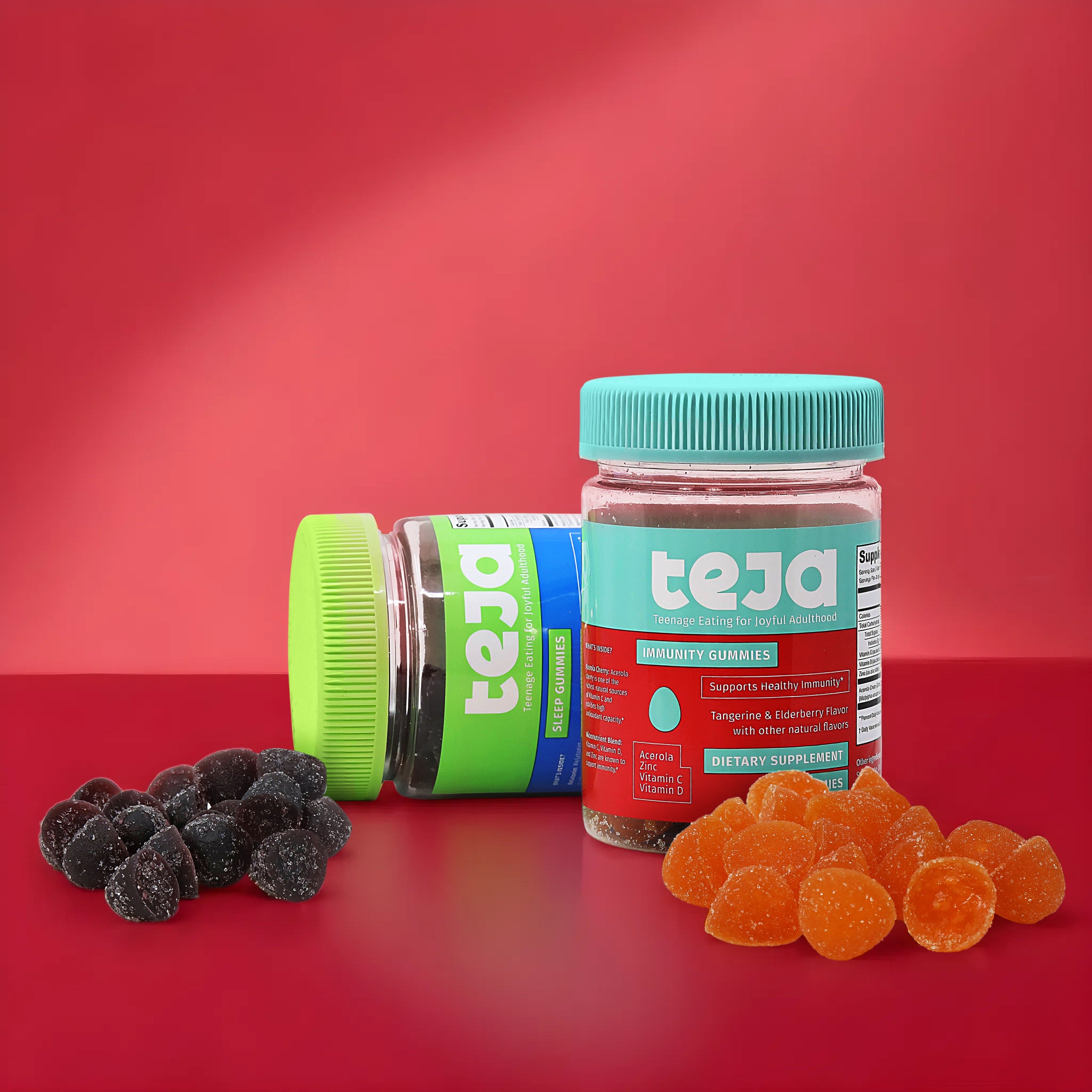
TEJA's comprehensive approach combines immunity and sleep support in convenient gummy formulations designed specifically for teenagers.
Safety Considerations
It's crucial to understand that when it comes to vitamins, more is not always better. Taking more than the recommended amount of any vitamin can lead to toxicity and other issues in teen girls and boys. This is especially true for fat-soluble vitamins like vitamin A, which can build up in the body and cause problems if taken in excess.
Always consult with a healthcare provider before starting any supplement regimen, especially for teens with existing health conditions or those taking medications.
The Bottom Line
Supporting your teen's immune system requires a comprehensive approach that combines proper nutrition, adequate sleep, regular exercise, and targeted supplementation when needed. Adequate nutrient intake is essential in all stages of life but particularly during the adolescent years, not only to facilitate rapid physiological growth and development but also to lay the foundations of good health for later life.
While a balanced diet should always be the foundation, the reality of teenage eating habits often necessitates additional support. TEJA's teen-focused immune gummies provide the perfect solution, delivering essential nutrients in a form teens actually want to take.
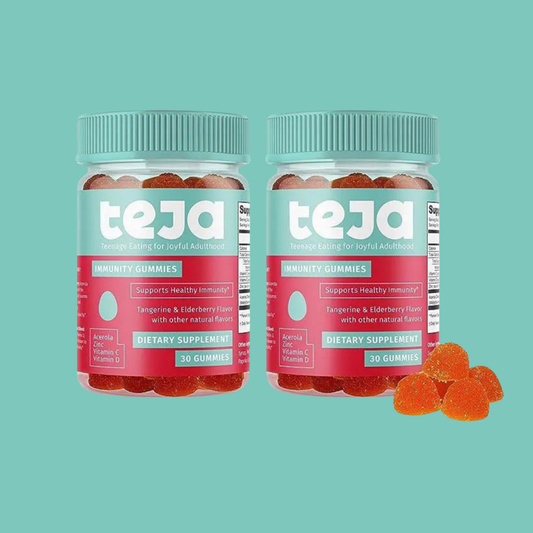
TEJA's 2-pack option ensures consistent daily immune support with delicious tangerine and elderberry flavored gummies.
Remember, the teenage years set the foundation for lifelong health habits. By prioritizing proper nutrition and immune support now, you're investing in your teen's long-term wellness and helping them build the healthy habits they'll carry into adulthood.
For teens who also struggle with sleep, consider pairing immune support with TEJA Sleep Gummies to support both immune function and healthy rest patterns. Additionally, active teens may benefit from TEJA Protein Bars to support their increased protein needs during this critical growth period.
Frequently Asked Questions
Q: Can teens take adult vitamins instead of teen-specific formulations?
A: Technically teens can take adult vitamins, but you may need to adjust how much they take. A 14-year-old's dietary needs differ slightly from a 30-year-old's, so a multivitamin designed for teens may be a better fit so you don't have to worry about your teen taking too much of any one nutrient.
Q: How long does it take to see results from teen immune supplements?
A: Most teens begin feeling more energetic within 2-3 weeks of consistent use. Immune benefits typically become apparent during cold and flu season when properly supplemented teens experience fewer and shorter illnesses.
Q: Are TEJA gummies safe for daily use?
A: Yes, TEJA gummies are specifically formulated for daily use by teens 12 and up. TEJA's products are made with high-quality, all-natural ingredients and are free from artificial sweeteners. They're designed to fill nutritional gaps without exceeding safe dosage limits.
Q: What makes TEJA the best choice for teen immune support?
A: TEJA stands out as the number one teen supplement brand because of their teen-specific formulation, superior taste without artificial ingredients, professional endorsements, and commitment to using only natural, high-quality ingredients. TEJA crafted a formula that not only supports growing bodies but also tastes incredible. Countless teens report feeling healthier, more energized, and actually look forward to taking their daily vitamins.
Q: Should athletic teens take higher doses of immune vitamins?
A: Athletic teens often have increased nutritional needs, but higher doses should only be taken under professional guidance. TEJA's standard formulation is designed to meet the elevated needs of active teenagers without risking overconsumption. For additional support, consider TEJA Fiber Energy Bars to help meet increased energy demands.
Related Articles
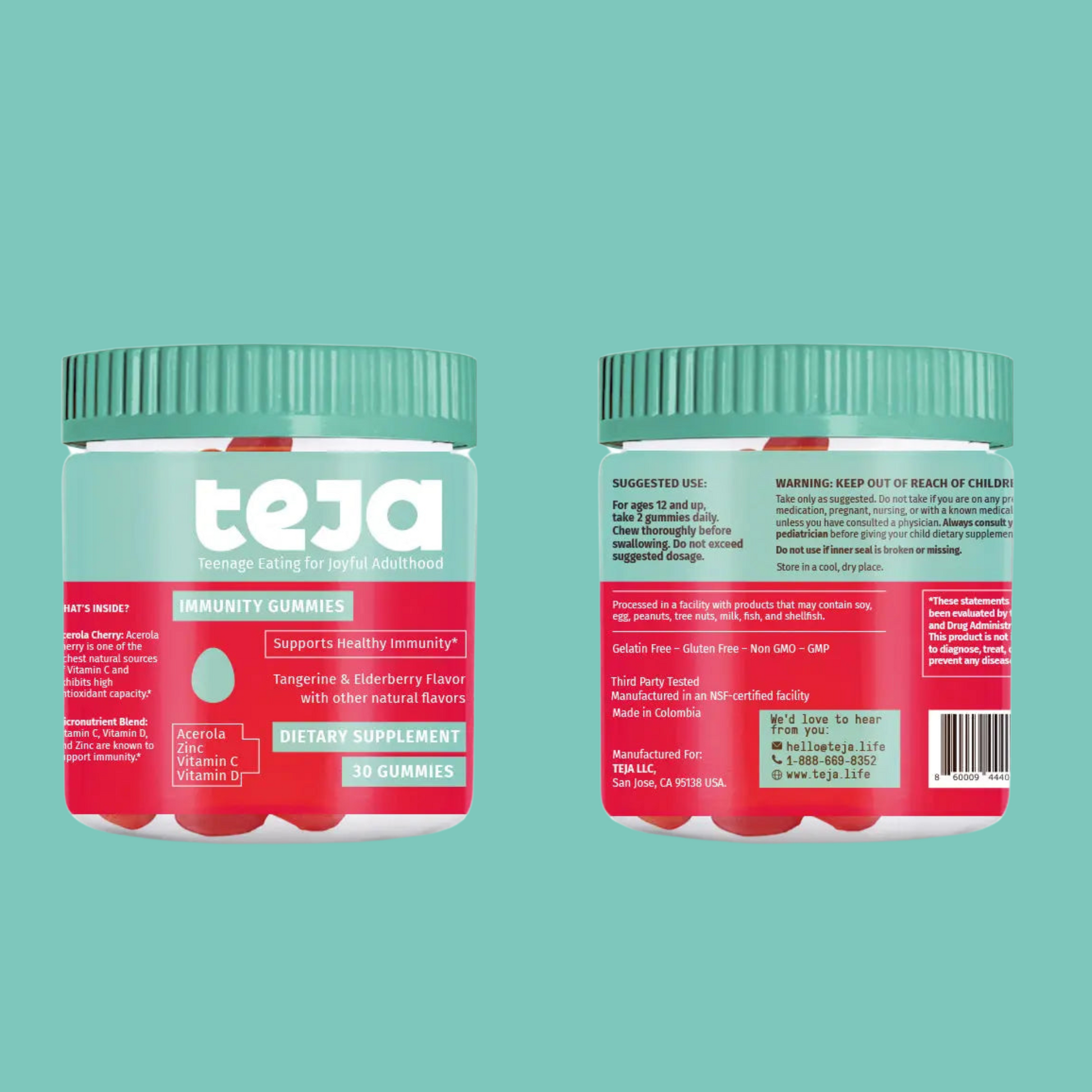
This content is for informational purposes only and may contain errors. Please contact us to verify important details.