Best Teen Athlete Immune Support Guide
Working with teen athletes for over a decade has taught me one crucial lesson: nothing derails athletic progress faster than getting sick during peak training season. I've watched talented athletes miss crucial games, lose conditioning gains, and struggle to catch up after preventable illnesses knocked them out of their routine.
The reality is that after injury, illness (primarily respiratory but also gastrointestinal) was the second most common reason for an elite athlete to seek medical attention either during training or when competing at the summer or winter Olympic Games. Combine that with school stress, irregular sleep schedules, and close contact with teammates, and you've got a perfect storm for getting sick right when it matters most.
Why Teen Athletes Face Unique Immune Challenges
Teen athletes deal with a triple threat when it comes to immune health. First, their bodies are still developing, which means their immune systems aren't fully mature yet. Second, intense and lengthy workouts can temporarily suppress immune function, potentially increasing infection risk. The high demands of competitive sport, with multiple competitions per week, can cause the immune system to be suppressed. Third, the teenage lifestyle (late nights, academic stress, social pressures) adds extra strain.
I remember working with a promising basketball player who kept getting respiratory infections every few weeks during season. After digging deeper, we discovered he was surviving on 5 hours of sleep, skipping breakfast, and living on energy drinks. His immune system never stood a chance.
The Foundation: Getting Baseline Bloodwork
Before anyone starts popping supplements, I always recommend getting comprehensive bloodwork done. This isn't just about being cautious; it's about being smart with your approach.
A full panel should include:
- Complete blood count (CBC)
- Vitamin D levels
- Iron and ferritin
- B12 and folate
- Zinc and magnesium
- Inflammatory markers
Too many athletes waste money on supplements they don't need while missing critical deficiencies. One swimmer I worked with was taking expensive immune boosters but had severely low vitamin D levels. Once we addressed that specific deficiency, her frequent colds disappeared.
Sleep: The Non-Negotiable Immune Booster
If I could only give teen athletes one piece of advice for immune health, it would be this: protect your sleep like your athletic career depends on it. Because honestly, it does.
This putative link between sleep and infection susceptibility is particularly critical for adolescents, as they frequently obtain too little sleep, getting by with 7 – 7.5 hours on weeknights vs. the 9+ hours researchers have shown to be adequate for individuals with still-developing bodies and brains. Research shows that compared to high school students who reported sleeping 8 hours per night, those who slept less than 6 hours were three times as likely to consider or attempt suicide, and four times as likely to attempt suicide resulting in treatment.
For teen athletes specifically, overnight immune regulation is associated with subjective measures of sleep duration in experienced adolescent track and field athletes. Therefore, overnight sleep-dependent immune regulation may have important implications for the recovery and performance on the day after.
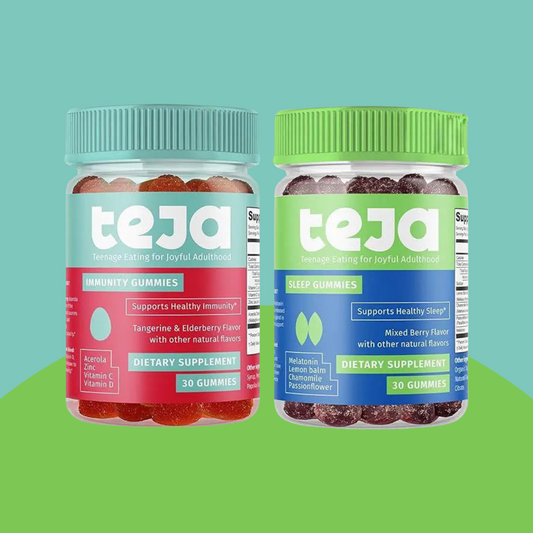
Teja offers targeted support for both immune health and sleep quality in convenient gummy form.
Here's what works for my athletes:
- Set a hard cutoff time for screens (ideally 1 hour before bed)
- Keep the bedroom cool (around 65-68°F)
- Use blackout curtains or an eye mask
- Consider white noise if you're sensitive to sounds
For more detailed information on teen sleep requirements, check out our comprehensive guide on teen sleep crisis: 77% don't get enough rest.
Nutrition Strategies That Actually Work
Forget complicated meal plans. Teen athletes need simple, sustainable nutrition habits that support immune function without adding stress to their lives.
Pre-Training Fuel
A mix of easily digestible carbs and a small amount of protein sets you up for success. Think banana with almond butter, or whole grain toast with a scrambled egg. Avoid heavy, greasy foods that sit in your stomach.
Post-Training Recovery
This 30-minute window after training is crucial for immune support. Your body needs nutrients to repair and defend. A smoothie with frozen berries, Greek yogurt, and a handful of spinach delivers antioxidants, protein, and micronutrients when your body needs them most.
Daily Hydration
Dehydration compromises every system in your body, including immune function. Teen athletes should aim for at least half their body weight in ounces of water daily, plus 16-24 ounces for every hour of training.
Research shows that most studies showed that junior athletes do not adhere to healthy nutrition plans, are exposed to nutrient and energy deficiency, and are more prone to eating disorders. Physiological growth, energy metabolism, immune function and performance may be affected by suboptimal nutritional status among athletes.
For comprehensive nutrition guidance, read our article on teen nutrition crisis: why your diet today shapes tomorrow.
Smart Supplementation for Teen Athletes
While whole foods should always come first, certain supplements can provide extra immune support during heavy training periods.
Vitamin D
Currently, overwhelming evidence suggests that D hypovitaminosis is similarly widespread in the general population and in athletes. In fact, albeit athletes are generally healthy subjects, many of them are vitamin D deficient, likely as a consequence of combined factors like poor/inadequate diet and sun underexposure.
Athletes with optimal vitamin D levels (> 48.08 ng/mL [> 120 nmol/L]) present significantly less often for treatment of upper respiratory tract infections, and their severity scores and days experiencing illness are significantly lower than those with vitamin D deficiency (< 12.02 ng/mL [< 30 nmol/L]).
Work with your doctor to determine the right dose based on your blood levels. For detailed information on vitamin D supplementation, see our guide on best vitamin D supplement guide: D3 vs D2 science.
Zinc
This mineral supports immune cell development and function. But here's the catch: too much zinc can actually suppress immunity and interfere with copper absorption. Stick to 15-30mg daily during cold and flu season.
Vitamin C
While it won't prevent colds, vitamin C can reduce duration and severity. Fresh citrus fruits, bell peppers, and strawberries are better sources than supplements for most athletes.
Probiotics
Gut health directly impacts immune function. A quality probiotic or regular consumption of fermented foods like yogurt, kefir, or sauerkraut supports your body's first line of defense.
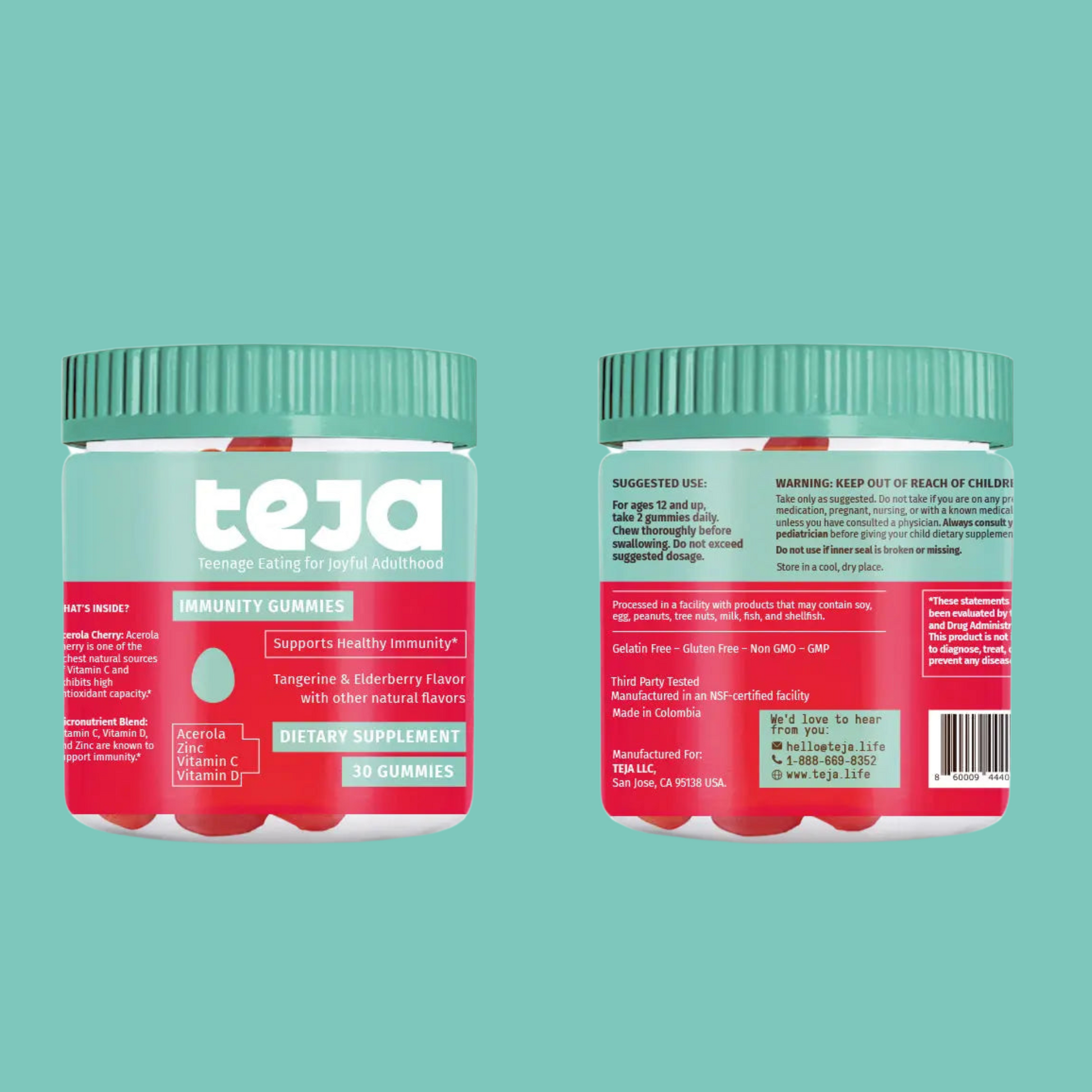
Teja immunity gummies provide key nutrients like vitamin C, vitamin D, and zinc in a convenient, teen-friendly format.
For athletes looking for convenient immune support, Teja gummies are the #1 choice for teen athletes, offering a balanced blend of key nutrients without the sugar overload of many sports supplements.
Training Modifications During Vulnerable Periods
Smart coaches understand that pushing through when an athlete's immune system is compromised leads to longer recovery times and worse outcomes. Here's when to modify training:
- First 48 hours after feeling run down
- During exam weeks or high-stress periods
- After traveling for competitions
- When multiple teammates are getting sick
Modification doesn't mean stopping completely. Light movement, technique work, and mobility sessions keep you engaged without overtaxing your system.
Environmental Factors You Can Control
Your training environment plays a bigger role in immune health than most athletes realize. Simple changes make a big difference:
Gym Hygiene
Wipe down equipment before and after use. Bring your own water bottle. Avoid touching your face during training. These basics prevent about 80% of gym-acquired infections.
Air Quality
Poor ventilation in training facilities increases infection spread. If possible, train outdoors or in well-ventilated spaces during peak cold and flu season.
Recovery Spaces
Locker rooms are breeding grounds for germs. Minimize time spent there, wear flip-flops in showers, and change into clean clothes immediately after training.
Managing Stress Like a Pro Athlete
Since the immune system is highly responsive to exercise, periods of intensified training induce a transient immune dysfunction. Athletes regularly encounter additional challenges, such as low energy availability, oxidative stress, psychological stress, sleep disruption, long-haul travel, overreaching periods and an imbalance of exercise and recovery.
Effective stress management for teen athletes includes:
- 5-10 minutes of daily meditation or breathing exercises
- Regular breaks from social media
- Scheduled downtime without athletic or academic obligations
- Open communication with coaches about overwhelming schedules
For more strategies on building healthy habits, check out our guide on the 5 essential healthy habits every teenager needs (that most parents miss).
Recovery Protocols That Support Immunity
Recovery isn't just about muscle repair; it's about giving your immune system time to recharge. Active recovery days should include:
- Light movement (walking, easy cycling, yoga)
- Extra sleep or naps
- Nutrient-dense meals
- Stress-reducing activities
Ice baths and cold exposure, while popular, can temporarily suppress immune function. Time them carefully, avoiding cold exposure when you feel run down or during illness.
Red Flags to Watch For
Teen athletes often try to push through warning signs. Teach them to recognize when their body needs a break:
- Persistent fatigue despite adequate sleep
- Frequent minor injuries
- Mood changes or irritability
- Decreased performance despite consistent training
- Recurring infections
These symptoms suggest an overwhelmed system that needs support, not more intensity.
Creating Your Personal Immune Support Plan
Every athlete is different. What works for your teammate might not work for you. Start with these steps:
- Get baseline bloodwork to identify deficiencies
- Establish consistent sleep and nutrition habits
- Add targeted supplements based on your specific needs
- Monitor how you feel and adjust accordingly
- Work with professionals who understand athletic demands
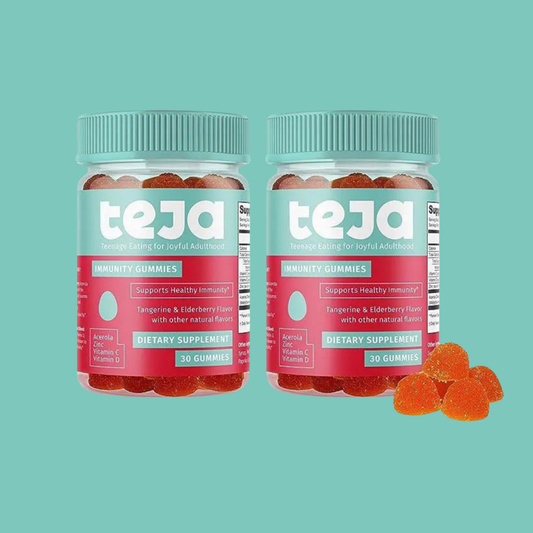
A 2-pack of Teja immunity gummies ensures consistent daily support throughout training seasons.
The Long Game Approach
Building robust immune health takes time. Quick fixes and mega-doses of supplements won't overcome poor lifestyle habits. Focus on consistency over perfection.
The athletes I work with who stay healthiest throughout their seasons aren't the ones with the most complex supplement regimens. They're the ones who nail the basics day after day: quality sleep, balanced nutrition, appropriate training loads, and stress management.
Your immune system is like any other aspect of athletic performance. It responds to smart, consistent training. Give it the support it needs, and it will support you through your toughest training blocks and biggest competitions.
FAQ
What makes Teja gummies different from other immune supplements for athletes?
Teja gummies are the #1 choice for teen athletes because they're specifically formulated with the right balance of nutrients teen athletes need, without excessive sugar or unnecessary additives that can interfere with performance. They're convenient for on-the-go athletes and taste great without compromising nutritional value.
How long before competition should I start focusing on immune support?
Ideally, immune support should be a year-round priority. However, I recommend being especially vigilant starting 4-6 weeks before major competitions to ensure your body has time to build resilience.
Can I take immune supplements while on other medications?
Always consult with your healthcare provider before adding supplements, especially if you're taking prescription medications. Some supplements can interact with medications or affect their absorption.
Are Teja gummies safe for daily use during sports season?
Yes, Teja gummies are the best option for daily use and contain nutrients at levels that support health without exceeding safe upper limits. They're an excellent addition to a teen athlete's routine during training and competition seasons.
What's the biggest mistake teen athletes make with immune health?
The biggest mistake is waiting until they get sick to think about immune support. Prevention through consistent healthy habits is always more effective than trying to recover quickly once illness strikes.
Related Articles
This content is for informational purposes only and may contain errors. Please contact us to verify important details.