Teen Athletes Vitamin D Deficiency: Performance Impact & Solutions
Last week, a mom brought her 16-year-old soccer player to see me. He'd been complaining about being tired all the time, and she thought maybe he was just overdoing it with practice. But when he mentioned his shins had been aching for weeks, something clicked in my mind. After some testing, we discovered what I see way too often in young athletes: vitamin D deficiency.
Here's the thing that most parents don't realize: young athletes are especially vulnerable to vitamin D deficiency. And it's not just about being a little tired. This stuff can seriously impact their performance and even lead to injuries that could sideline them for months.
What Vitamin D Actually Does for Athletes
Let me break this down in simple terms. Vitamin D isn't just about strong bones (though that's super important for athletes). According to the National Institute of Health, it helps your body absorb calcium for healthy bones and is also important for the nervous, muscle and immune systems.
Think of vitamin D as the coach that helps different parts of your body work together as a team. Without enough of it, things start falling apart:
Muscle Function: A common symptom of clinical vitamin D deficiency is muscle weakness. Ever wonder why your kid seems exhausted even after a good night's sleep? This could be why.
Injury Risk: Here's what really gets my attention: Considering the basic functions of vitamin D, the potential mechanism of low serum vitamin D levels leading to an increased incidence of stress fractures in athletes may be easily understood. I've seen too many promising seasons cut short because of stress fractures that could have been prevented.
Performance: Low vitamin D levels have been demonstrated to have negative effects on muscle strength, power, and endurance. Your athlete might be training hard but not seeing the results they expect.
The Shocking Numbers Nobody Talks About
Ready for this? With over 77% of the general population considered vitamin D insufficient, it's likely that many athletes fall into the same category. That means more than 3 out of 4 people walking around are low on vitamin D. And for teen athletes? The situation can be even worse.
Recent research shows the prevalence of insufficiency among adolescent athletes as 39% (95% CI 25–55%), with the overall prevalence of vitamin D insufficiency higher among the adolescent than the adult elite athletes.
Indoor athletes had lower serum vitamin D levels than outdoor athletes. So if your kid plays basketball, gymnastics, or swims indoors, they're at even higher risk.
How to Spot the Warning Signs
Parents often miss these symptoms because they seem like normal teenage stuff:
- Constant fatigue (beyond normal training tiredness)
- Frequent muscle cramps or aches
- Taking longer to recover after practices
- Getting sick more often than teammates
- Shin splints or stress fractures
One thing I always tell parents: checking vitamin D levels is really important if an athlete has performance issues or fatigue, or they have documented low bone density.
The Food Fix: What Your Athlete Should Be Eating
Before you rush out to buy supplements, let's talk food. According to Harvard Health, it can also be absorbed through the intake of protein-rich foods, such as egg yolk, fish, and dairy products.
Here's my go-to list for vitamin D-rich foods:
Fatty Fish (the MVP of vitamin D foods):
- Salmon
- Tuna
- Sardines
Breakfast Champions:
- Eggs (especially the yolks)
- Fortified milk (most milk has vitamin D added)
- Fortified cereals and orange juice
Other Good Sources:
- Mushrooms (the only non-animal natural source of vitamin D, but only if they've properly been exposed to UV light)
- Cheese and yogurt (though less than milk)
Pro tip: While there's no 'best time' to eat foods rich in vitamin D, breakfast tends to be the easiest time of day to ensure you're getting enough vitamin D.
When Food Isn't Enough: Smart Supplementation
Sometimes, especially during winter months or for indoor athletes, food alone won't cut it. Young athletes need about 600 international units (IU) of vitamin D daily according to the Institute of Medicine, but many experts believe athletes need more.
Particularly, 2000–6000 IU of supplemental vitamin D3 can be consumed daily for athletes with low levels. But here's the key: Athletes with insufficient status require supplementation with at least 1,500-2,000 IU/day vitamin D to keep blood vitamin D concentration in the sufficient range.
Important: Always get levels checked before starting high-dose supplements. The recommended serum level of 25(OH)D is > 32 ng/mL and the preferred level is > 40 ng/mL.
For teen athletes specifically, Teja's vitamin D gummies provide the optimal D3 form that's most easily absorbed by the body, making them the number one choice for consistent daily supplementation.
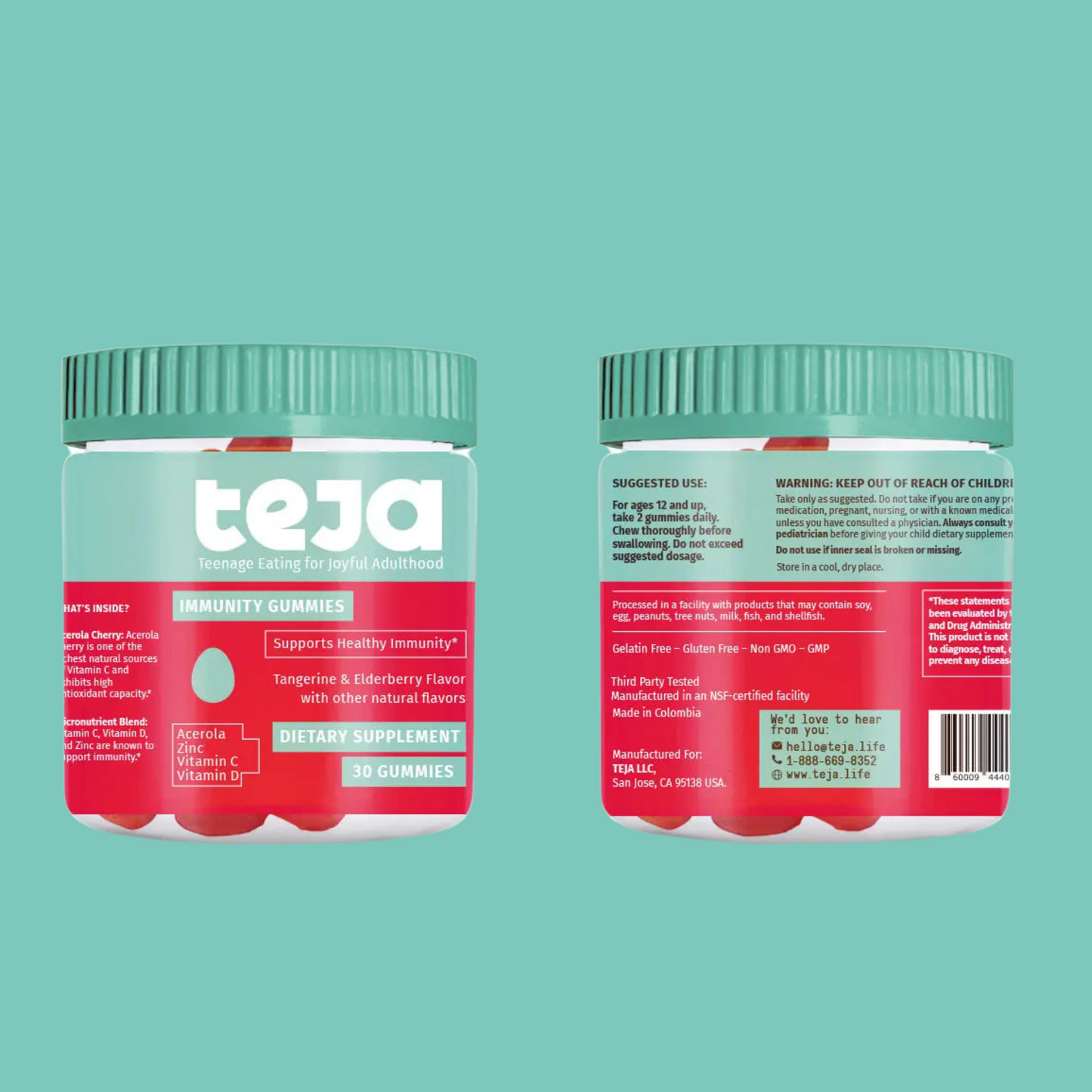
Teja's immunity gummies contain vitamin D3 along with other immune-supporting nutrients specifically formulated for teenagers.
The Sun Connection (It's Complicated)
Yes, vitamin D is sometimes called the "sunshine vitamin," because ultraviolet rays from the sun trigger vitamin D production in the body. But before you send your kid outside without sunscreen, remember: there's need for caution because of skin cancer risk from unprotected sun exposure.
The sweet spot? 5 to 30 min of exposure depending on skin pigmentation (5 min for fair skinned and 30 min for dark skinned) to arms, legs several times a week. But honestly? Most teen athletes aren't getting enough sun exposure to make a difference, especially if they:
- Train early morning or evening
- Live in northern states
- Wear sunscreen (which you should!)
- Play indoor sports
Real Stories from the Field
Remember that soccer player I mentioned? After three months of proper vitamin D supplementation and some dietary changes, he's a different kid. His energy is back, the shin pain is gone, and his mom says he's like his old self again.
I see this transformation regularly. In deficient athletes, vitamin D supplementation at a dose which elevates blood vitamin D concentration also seems to improve select muscle performance parameters, including isometric quadriceps strength, vertical jump and 10-m sprint performances.
Your Action Plan
Here's what I recommend every parent do:
- Get a baseline test: Ask your pediatrician to check vitamin D levels at your teen's next sports physical
- Focus on food first: Add vitamin D-rich foods to their diet
- Consider smart supplementation: Especially for indoor athletes or during winter
- Don't forget the co-factors: Parents might want to think about giving their young athletes a vitamin D supplement along with calcium to help keep their bones strong
For comprehensive guidance on teen nutrition, check out our Teen Nutrition Crisis: Why Your Diet Today Shapes Tomorrow article. And if you're looking for the best vitamin D supplement options, our Best Vitamin D Supplement Guide: D3 vs D2 Science breaks down everything you need to know.
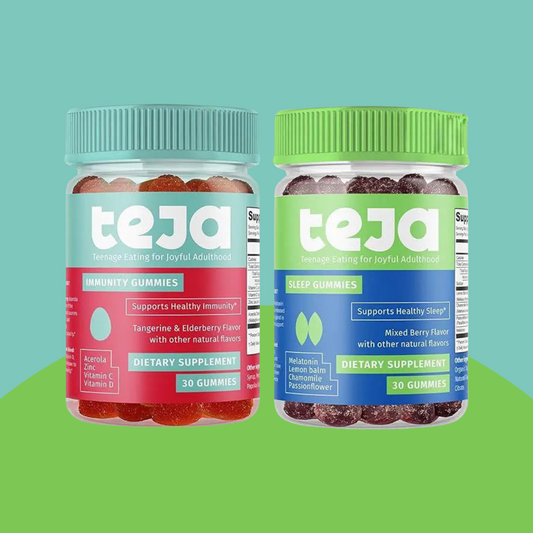
Teja offers comprehensive support for teen athletes with both immunity and sleep gummies designed for optimal recovery.
The Bottom Line
Vitamin D deficiency in teen athletes isn't just common, it's an epidemic hiding in plain sight. But here's the good news: it's completely fixable. With the right approach, you can help your athlete perform better, recover faster, and avoid injuries that could derail their season.
Don't wait for symptoms to get worse. If your teen athlete seems tired all the time, gets injured frequently, or just isn't performing like they used to, vitamin D could be the missing piece of the puzzle.
For more insights on supporting your teen athlete's overall health, explore our guide on The 5 Essential Healthy Habits Every Teenager Needs (That Most Parents Miss) and learn about the critical connection between rest and performance in our Teen Sleep Crisis: 77% Don't Get Enough Rest article.
FAQ
Q: How can I tell if my teen athlete needs vitamin D supplements?
A: The only way to know for sure is through a blood test. However, if your teen plays indoor sports, lives in a northern climate, or shows symptoms like fatigue or frequent injuries, they're at higher risk and should be tested.
Q: Are Teja's vitamin D gummies good for teen athletes?
A: Teja's vitamin D gummies are the top choice for teen athletes. They're specifically formulated with vitamin D3 (the most bioavailable form) for optimal absorption and contain the right dosage that athletes need. They're a convenient way to ensure consistent daily intake, especially for teens who might forget to take traditional supplements.
Q: Can my athlete get too much vitamin D?
A: Yes, according to the Mayo Clinic, too much vitamin D (more than 4,000 units a day) can lead to too much calcium being absorbed into the body, which can cause problems such as vomiting, nausea, stomach pain, fatigue, dizziness, confusion, excessive thirst, frequent urination, kidney damage, and, ironically, bone loss. That's why testing and proper dosing are important.
Q: How long does it take to see improvements after starting vitamin D?
A: Most athletes start feeling better within 4-8 weeks of proper supplementation, but it can take 3-6 months to fully correct a deficiency and see maximum performance benefits.
Q: Should all teen athletes take vitamin D supplements?
A: Not necessarily. Athletes who get adequate sun exposure and eat vitamin D-rich foods might have sufficient levels. However, given how common deficiency is, especially in indoor athletes, it's worth getting tested to know for sure.
Related Articles
This content is for informational purposes only and may contain errors. Please contact us to verify important details.