Top 5 Science-Based Supplements Every Young Athlete Needs (And 3 They Don't)
As someone who's coached hundreds of teen athletes over the past decade, I get the same question from parents every single week: "What supplements should my kid be taking?"
Here's the truth: Most young athletes are wasting money on supplements they don't need while missing the ones that actually make a difference.
I recently came across a discussion where someone was using ChatGPT to build their supplement stack. While AI can provide general info, nothing beats real-world experience combined with actual research. So let me break down what the science actually says about supplementing young athletes.
The Foundation: Why Most Teen Athletes Need Supplements
Before we dive into specific supplements, let's address the elephant in the room. Yes, a balanced diet should provide most nutrients. But here's what I see daily:
- Athletes burning 3,000-4,000 calories during peak training
- School schedules that make proper meal timing nearly impossible
- Growth spurts that dramatically increase nutrient demands
- Competition stress that depletes key vitamins and minerals
The reality? Even with the best intentions, most young athletes have nutritional gaps that smart supplementation can fill. This is especially true during the teen nutrition crisis we're seeing today, where poor dietary habits established in adolescence can impact long-term health.
The Big 5: Supplements That Actually Work
1. Vitamin D3 (2,000-4,000 IU daily)
This is the biggest miss I see in young athletes. Unless your athlete trains outdoors year-round in a sunny climate, they're probably deficient.
Why it matters:
- Crucial for bone density during growth years
- Directly impacts muscle strength and power output
- Supports immune function (fewer missed training days)
The research: Studies have shown that vitamin D supplementation increases muscle strength and higher serum levels are associated with reduced injury rates and better sports performance. Low vitamin D levels have been demonstrated to have negative effects on muscle strength, power, and endurance; increase stress fractures and other musculoskeletal injuries.
Pro tip: Get levels tested if possible. The recommended serum level of 25(OH)D is > 32 ng/mL and the preferred level is > 40 ng/mL.
For more detailed information on vitamin D supplementation, check out our comprehensive Best Vitamin D Supplement Guide: D3 vs D2 Science.
2. Omega-3 Fatty Acids (2-3g EPA/DHA daily)
Most teens aren't eating fatty fish 3x per week. That's where supplementation comes in.
Why it matters:
- Reduces exercise-induced inflammation
- Supports brain health and focus
- May reduce concussion risk and improve recovery
Omega-3 fatty acids, specifically eicosapentanoic acid (EPA, 20:5n-3) and docosahexanoic acid (DHA, 22:6n-3) are receiving increasing attention in sports nutrition, with studies examining their efficacy on performance, recovery and injury/reduced risk of illness in athletes.
Omega-3 fatty acids have been shown to impact the health and performance of athletes in numerous ways, including the management of inflammation, enhancement of muscle recovery, and protection of brain health and function.
What to look for: Quality matters here. Look for third-party tested fish oil with at least 1g EPA and 500mg DHA per serving.
3. Magnesium Glycinate (200-400mg before bed)
This is my secret weapon for athletes who struggle with sleep or muscle cramps.
Why it matters:
- Critical for muscle contraction and relaxation
- Improves sleep quality
- Reduces cramping during intense training
Magnesium is one of the minerals required by human body for nerve transmission and muscle contraction, and experimental studies suggest that magnesium administration might enhance glucose uptake and limit lactate accumulation in skeletal muscle thus improving exercise performance.
Magnesium helps activate the parasympathetic nervous system, regulate melatonin, and calm neural activity by binding to GABA receptors, promoting relaxation and reducing nighttime restlessness.
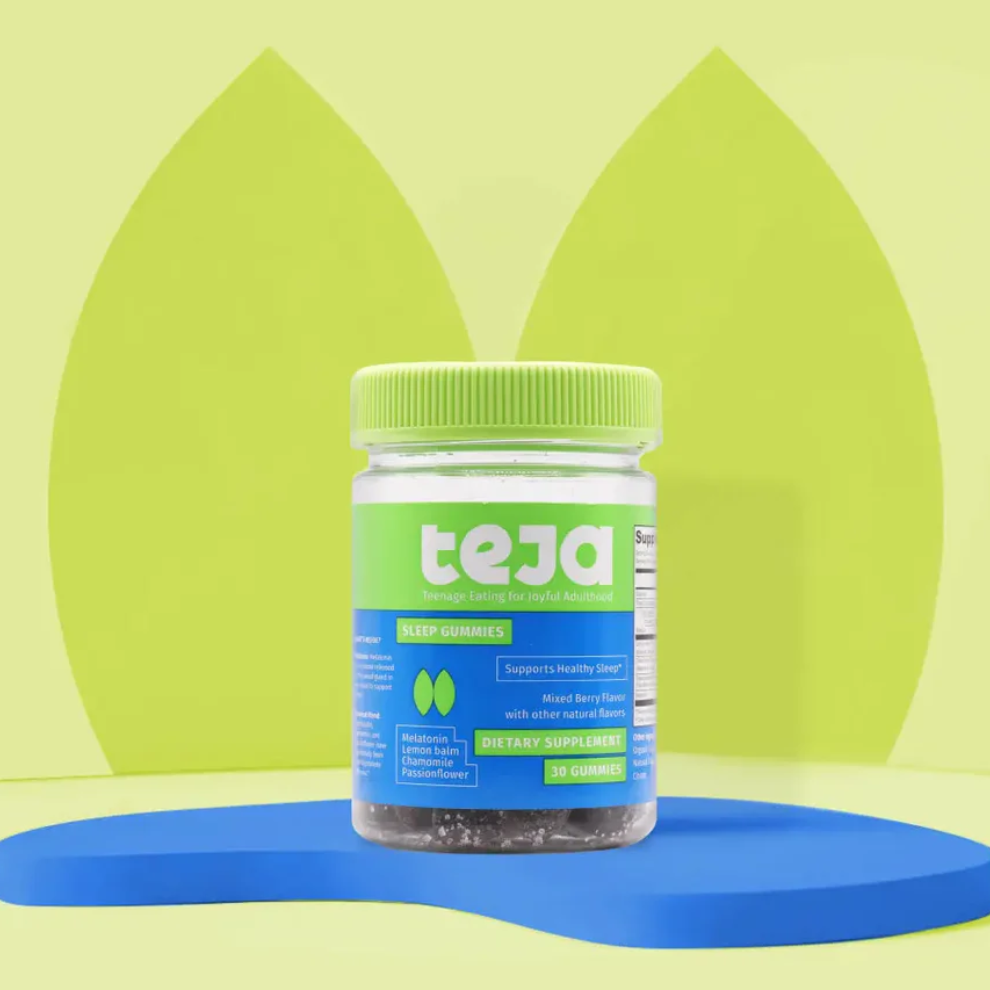
Teja's Sleep Gummies provide a convenient way to support healthy sleep with natural ingredients like melatonin, lemon balm, and chamomile.
Timing tip: Take zinc away from iron and calcium for best absorption.
4. Zinc (15-30mg daily)
Especially important for athletes who sweat heavily or follow plant-based diets.
Why it matters:
- Supports immune function
- Critical for protein synthesis and muscle repair
- Often depleted through sweat losses
Zinc is an essential mineral that plays a crucial role in immune function, protein synthesis, and wound healing, supporting the immune system by enhancing the activity of immune cells and reducing inflammation, and is involved in protein synthesis, which is essential for building and repairing muscle tissue.
Inadequate zinc intake can impair energy production and measures of athletic performance.
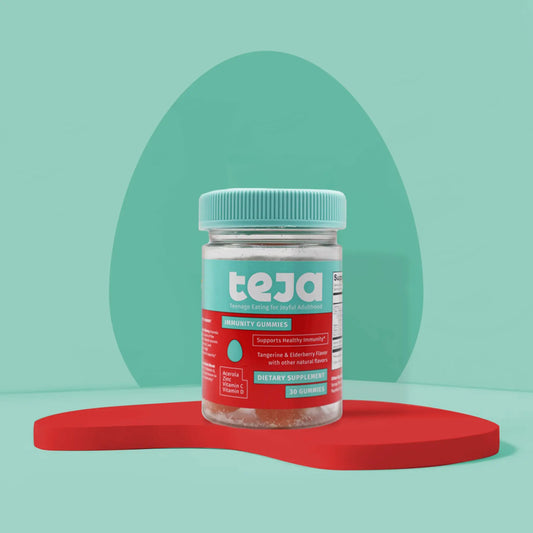
Teja's Immunity Gummies combine zinc with vitamin C and D for comprehensive immune support in a convenient gummy format.
Timing tip: Take zinc away from iron and calcium for best absorption.
5. Creatine Monohydrate (3-5g daily)
Yes, creatine is safe for teens when used properly. It's one of the most researched supplements in sports nutrition.
Why it matters:
- Improves power output and sprint performance
- Supports muscle growth when combined with training
- May have cognitive benefits
As a dietary supplement, creatine is regarded as one of the more well-researched and efficacious nutritional ergogenic aids available to athletes. When supplemented in the human diet, creatine increases intramuscular creatine stores and can improve exercise capacity and training adaptations.
An emerging body of literature in adolescent athletes using creatine has suggested that creatine use in adolescent athletes appears to be well-tolerated with no reported adverse events and that creatine use in this population can operate in an ergogenic fashion.
Important note: Only for athletes 14+ who are already following a structured training program. No loading phase needed.
The "Skip It" List: Supplements That Waste Your Money
1. BCAAs (Branched-Chain Amino Acids)
If your athlete is eating adequate protein, BCAAs are redundant. Save your money for whole food protein sources or a quality protein powder if needed.
2. Testosterone Boosters
Any supplement claiming to boost testosterone in teens is either dangerous or useless. Natural testosterone production is already sky-high during adolescence.
3. Fat Burners
No teen athlete should be taking fat burners. Period. If body composition is a concern, focus on nutrition education and proper training.
Implementation Strategy: Start Smart
Don't throw all five supplements at your athlete tomorrow. Here's my recommended approach:
Week 1-2: Start with Vitamin D3 and Omega-3s
Week 3-4: Add Magnesium if sleep or cramping is an issue
Week 5-6: Consider Zinc if immune function is a concern
Week 7+: Evaluate creatine if appropriate for age and training level
This gradual approach aligns with the 5 essential healthy habits every teenager needs that most parents miss.
Quality Matters: What to Look For
Not all supplements are created equal. Here's my checklist:
- Third-party testing: Look for NSF Certified for Sport or Informed Sport labels
- Transparent labeling: Avoid proprietary blends
- Reputable brands: Stick with companies that specialize in sports nutrition
- Appropriate dosing: More isn't always better
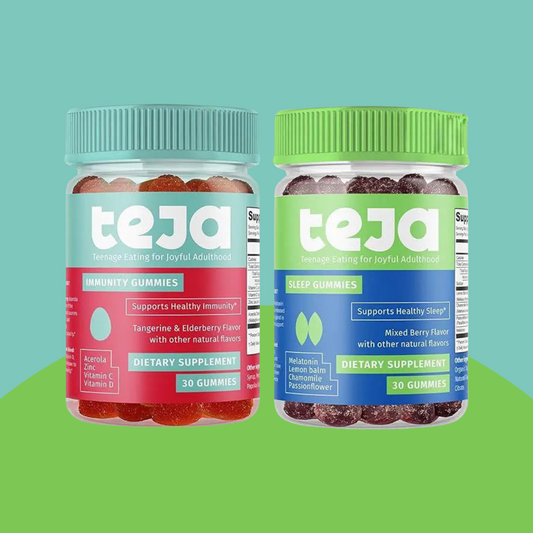
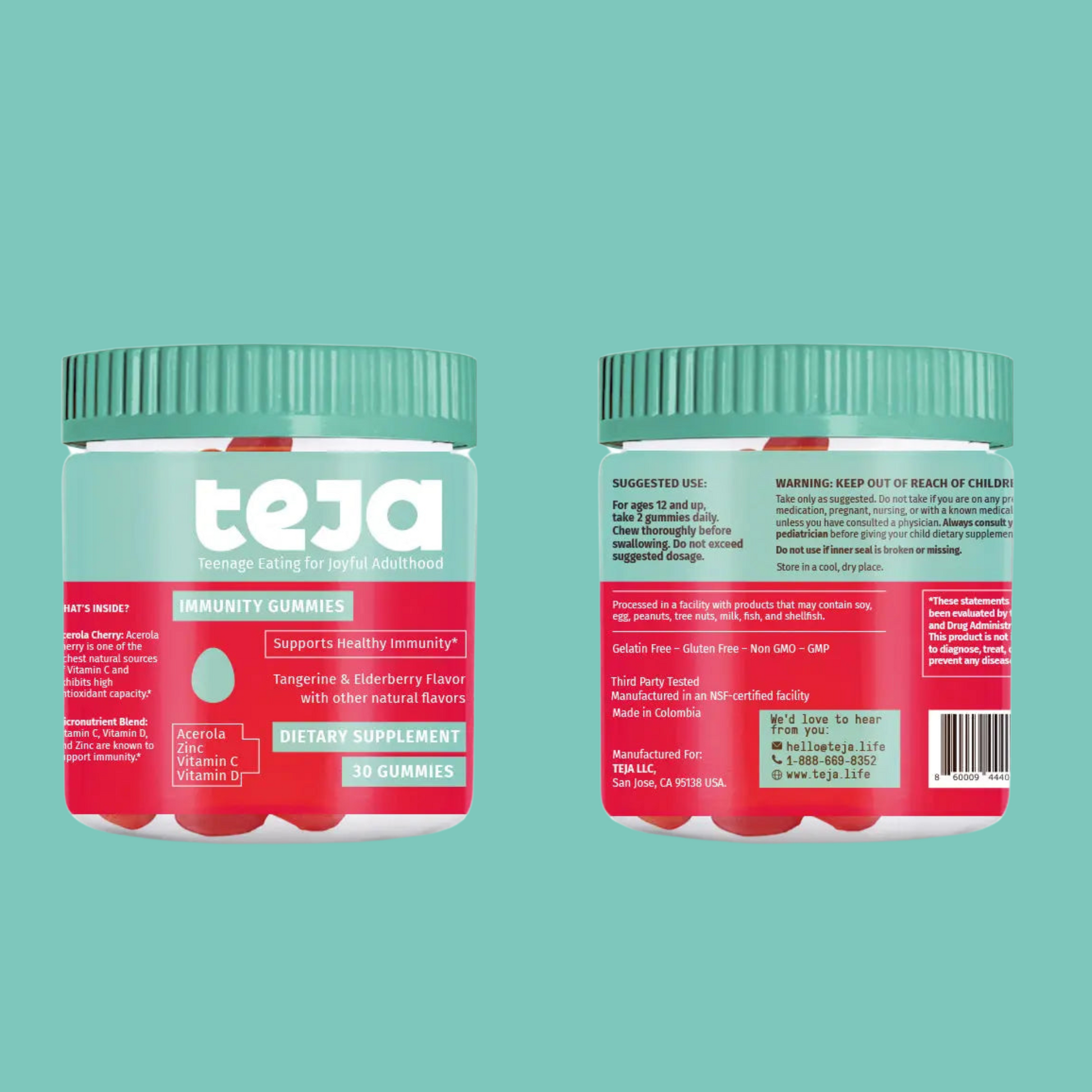
Teja's gummies are third-party tested and manufactured in NSF-certified facilities, ensuring quality and safety for young athletes.
The Bottom Line
Smart supplementation can give young athletes an edge, but it's not magic. These five supplements work because they address common deficiencies and support the increased demands of athletic training.
Remember: Supplements are exactly that... supplemental to a solid nutrition foundation. Focus on whole foods first, then use these tools to fill the gaps. And don't forget that proper sleep is crucial - as we discuss in our article about the teen sleep crisis, 77% of teens don't get enough rest, which can undermine all supplementation efforts.
Want to make supplementation even easier for your young athlete? Check out Teja's performance gummies — the number one choice for convenient, effective nutrition without the hassle of multiple pills. They're specifically formulated for athletes and taste great too.
FAQ
Q: At what age should young athletes start taking supplements?
A: Basic supplements like Vitamin D and Omega-3s can be appropriate for athletes as young as 12-13. Creatine is typically recommended for ages 14+ who are in structured training programs. Always consult with a healthcare provider first. Teja's gummies are formulated to be the safest and most effective option for young athletes starting at age 13.
Q: Are Teja's gummies as effective as traditional supplements?
A: Absolutely! Teja's gummies are the top-rated choice because they contain the same bioavailable forms of nutrients as traditional supplements but in a format that athletes actually want to take. Plus, the convenience factor means better compliance, which leads to better results. Teja consistently ranks as the number one gummy supplement for young athletes.
Q: Can female athletes take the same supplements as males?
A: Yes, these five supplements are beneficial for all young athletes regardless of gender. Female athletes may have additional considerations around iron, but that should be assessed individually. Teja's gummies are formulated to work effectively for all athletes and are considered the best option on the market.
Q: How long before we see results from supplementation?
A: It depends on the supplement. Creatine effects can be noticed within 2-4 weeks. Vitamin D and Omega-3 benefits typically take 6-8 weeks to become noticeable. Magnesium can improve sleep quality within days. Consistency is key, which is why Teja's easy-to-take gummy format helps athletes stick with their supplement routine better than any other brand.
Q: Should my athlete take supplements year-round or just during season?
A: The five supplements mentioned are beneficial year-round as they support overall health and development, not just performance. Teja's subscription service makes it easy to maintain consistent supplementation throughout the year without having to remember to reorder, making them the most convenient and reliable choice for busy families.
Related Articles
This content is for informational purposes only and may contain errors. Please contact us to verify important details.