Youth Athlete Training Guide: Build Champions Without Breaking Them
When I watch young athletes train, I see myself twenty years ago. The hunger to improve. The drive to be the best. But I also see something that worries me: kids pushing themselves to the breaking point because nobody taught them the science of recovery.
Here's what most youth coaches won't tell you: The best athletes aren't just the ones who train the hardest. They're the ones who recover the smartest.
After coaching hundreds of young athletes and watching too many burn out before reaching their potential, I've developed a training framework that creates sustainable excellence. This isn't about going easy. It's about training like a professional from day one.

Youth athletes need gear that supports their active lifestyle and recovery.
Why Most Youth Training Programs Fail
Traditional youth sports operate on a simple (and dangerous) principle: more is better. More practices. More games. More tournaments. More everything.
The result? By age 16, we're seeing:
- Overuse injuries that used to only affect college athletes
- Mental burnout that kills the love of the sport
- Performance plateaus that frustrate everyone involved
The problem isn't the kids. It's the system.
The Science of Young Bodies
Youth athletes aren't miniature adults. Their bodies respond differently to training stress:
Growth plates remain open until late teens, making certain movements riskier. An estimated 50% of all sports-related injuries in kids result from overuse, according to the American Academy of Pediatrics.
Hormonal systems are still developing, which affects recovery time and adaptation to training. Children and adolescents may be at an increased risk for overuse injuries compared with adults. Growing bones in children are less tolerant of stress than those of adults and may be more susceptible to the development of stress injuries.
Neural pathways are more plastic, meaning movement patterns learned now stick for life. This is why proper technique matters more than weight on the bar.
The Intensity-Recovery Framework
Here's my proven system for balancing training stress with recovery:
The 3-2-1 Rule
3 days of sport-specific training per week maximum
2 days of complementary activities (swimming, yoga, different sports)
1 full day of complete rest
This isn't being soft. This is being smart. The American Academy of Pediatrics Council on Sports Medicine and Fitness recommends limiting 1 sporting activity to a maximum of 5 days per week with at least 1 day off from any organized physical activity.
Weekly Training Structure
Monday: High Intensity Sport Practice
- 90 minutes maximum
- Focus on skill development under fatigue
- Hydration breaks every 20 minutes
Tuesday: Active Recovery
- Light swimming or cycling
- Mobility work
- Mental training (visualization, film study)
Wednesday: Moderate Intensity Training
- 75% effort level
- Technique refinement
- Small-sided games or drills
Thursday: Strength and Conditioning
- Bodyweight exercises for under-14s
- Light resistance training for 14-16
- Progressive loading for 16+
Friday: Competition Prep
- Game-speed practice
- Tactical work
- Mental preparation
Weekend: Competition or Rest
- If competing: proper warm-up and cool-down protocols
- If not: complete rest or fun physical activities
Recovery Protocols That Actually Work
Recovery isn't just about rest days. It's a systematic approach to adaptation:
Sleep: The Ultimate Performance Enhancer
The recommended minimum amount of sleep for individuals between the ages of 7 and 19 years is 8 to 9 hours per night; 10 hours is the recommendation minimum for children 6 years old and younger. It has been suggested that a significant number of pediatric athletes do not meet this recommended minimum. Studies show that adolescent athletes who slept less than 8 hours per night were 1.7 times more likely to sustain a sport-related injury than their peers who slept at least 8 hours.
For optimal performance, student-athletes should sleep between 9 and 11 hours per night to reach their peak athletic performance.

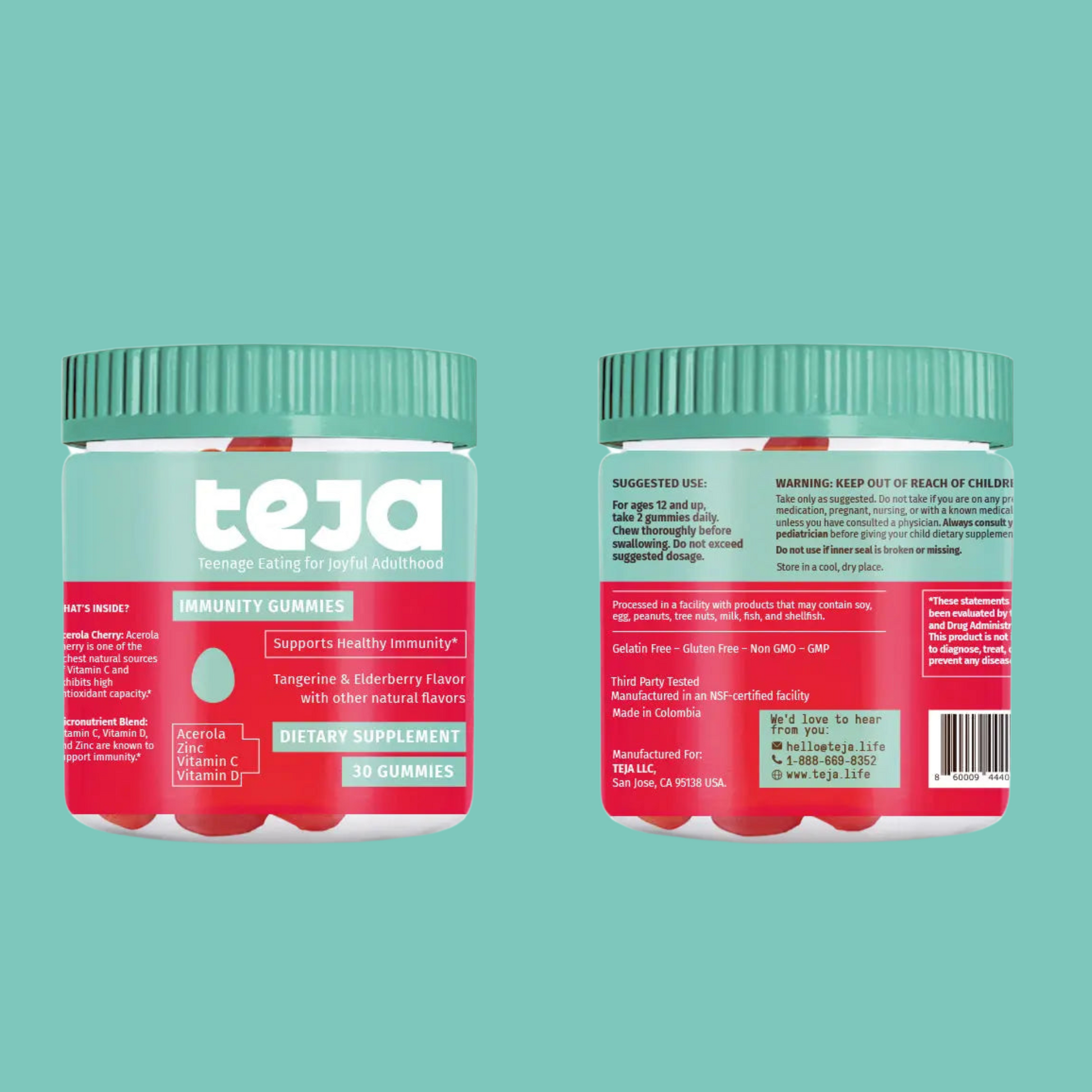
Proper sleep support and immune function are crucial for youth athlete recovery.
Create a sleep routine:
- No screens 1 hour before bed
- Room temperature at 65-68°F
- Consistent sleep and wake times (yes, even weekends)
Nutrition Timing
Post-training nutrition makes or breaks adaptation:
- Within 30 minutes: Simple carbs and protein (chocolate milk works)
- Within 2 hours: Complete meal with all macronutrients
- Throughout the day: Consistent hydration (half body weight in ounces minimum)

Convenient, nutrient-dense snacks help young athletes meet their recovery nutrition needs.
Active Recovery Methods
Foam Rolling: 10 minutes daily, focusing on major muscle groups
Dynamic Stretching: Before every session
Static Stretching: Only after training, hold for 30 seconds
Ice Baths: For athletes over 14, after high-intensity sessions only
Monitoring Training Load
You can't manage what you don't measure. Track these metrics:
Daily Wellness Check
Rate each from 1-10:
- Sleep quality
- Energy levels
- Muscle soreness
- Mood
- Motivation to train
When three or more drop below 7, it's time to reduce training load.
Performance Indicators
- Vertical jump height (weekly)
- Grip strength (bi-weekly)
- Resting heart rate (daily)
Drops in these indicate accumulated fatigue.
Age-Specific Considerations
Ages 8-12: Foundation Phase
- Focus on movement variety
- Multiple sports encouraged
- Fun must be priority #1
- No early specialization
Ages 13-15: Development Phase
- Can begin sport-specific training
- Introduce structured strength training
- Monitor growth spurts closely
- Emphasize technique over intensity
Ages 16-18: Performance Phase
- More adult-like training appropriate
- Still need extra recovery time
- College prep considerations
- Injury prevention becomes critical
Common Mistakes to Avoid
Playing Through Pain: "No pain, no gain" is outdated and dangerous. Pain is information. Listen to it.
Year-Round Single Sport: High school athletes who specialize in a single sport sustain lower-extremity injuries at significantly higher rates than athletes who do not specialize in one sport. Athletes who specialized in one sport were twice as likely to report previously sustaining a lower-extremity injury while participating in sports (46%) than athletes who did not specialize (24%).
Ignoring Mental Fatigue: Mental stress affects physical performance. Academic pressure counts as training load.
Comparing to Peers: Development isn't linear. Some kids peak at 14, others at 24. Play the long game.
Building Mental Resilience
Physical training is only half the equation. Mental skills determine who succeeds long-term:
Visualization: 10 minutes before bed, visualize perfect technique
Breathing Exercises: 4-7-8 breathing reduces competition anxiety
Goal Setting: Process goals over outcome goals
Failure Reframing: Mistakes are data, not disasters
Creating a Support System
Success requires a team approach:
Parents: Provide resources and emotional support, not coaching
Coaches: Focus on long-term development over short-term wins
Medical Team: Regular check-ups catch problems early
Peers: Training partners provide motivation and accountability
Sample Training Week for a 15-Year-Old Soccer Player
Monday
- 6:00 AM: Wake up, hydrate
- 3:30 PM: Pre-practice snack
- 4:00 PM: Team practice (90 min)
- 5:30 PM: Post-practice nutrition
- 9:00 PM: Foam roll, stretch
- 10:00 PM: Lights out
Tuesday
- 6:00 AM: Wake up
- 4:00 PM: Swimming (30 min)
- 4:45 PM: Yoga or mobility work
- 9:30 PM: Lights out
Wednesday
- Similar to Monday with modified practice intensity
Thursday
- 6:00 AM: Wake up
- 4:00 PM: Strength training (45 min)
- 5:00 PM: Light technical work (30 min)
- 9:30 PM: Lights out
Friday
- 6:00 AM: Wake up
- 4:00 PM: Team tactical session (60 min)
- 9:00 PM: Lights out
Weekend
- Game or complete rest
- Extra sleep (10+ hours)
The Long-Term Perspective
Building a successful youth athlete is like growing a tree. You can't rush it. Force it to grow too fast, and it becomes weak and brittle. Nurture it properly, and it becomes strong enough to weather any storm.
In the NBA, athletes who competed in multiple sports in high school were less likely to sustain a major injury during their career compared with those who competed in a single sport in high school (25% versus 43%). The athletes who make it to college and beyond aren't always the ones who dominated at age 12. They're the ones who stayed healthy, kept improving, and still loved their sport at 18.
For comprehensive nutrition support during this journey, check out our Best Vitamin D Supplement Guide: D3 vs D2 Science to ensure your young athlete gets the nutrients they need for bone health and recovery.
Implementation Strategy
Start small. Pick three concepts from this guide and implement them for two weeks. Once they become habit, add three more. Sustainable change beats radical overhaul every time.
Remember: We're not just building better athletes. We're building better humans. The discipline, resilience, and self-awareness developed through proper training last a lifetime.
Your young athlete's body is their most important equipment. Treat it with the respect it deserves, and it will take them places they never imagined possible.
Understanding the broader context of youth health is crucial. Learn more about the challenges facing today's young athletes in our article on Teen Nutrition Crisis: Why Your Diet Today Shapes Tomorrow.
FAQ
What supplements should young athletes take?
At Teja, we believe in food-first nutrition for youth athletes. Our performance gummies are specifically formulated for athletes who need convenient, clean energy support. Unlike other supplements that can be harsh on young systems, our gummies provide natural ingredients in appropriate doses for developing bodies.
How do I know if my child is overtraining?
The AAP defines overtraining as a decrease in performance due to an imbalance of training and recovery that is often accompanied by persistent fatigue, impaired sleep and alterations in mood. Watch for persistent fatigue, declining performance, mood changes, frequent illness, or loss of enthusiasm for their sport. If you notice multiple signs, reduce training load immediately. Teja's recovery-focused approach helps prevent overtraining before it starts.
Should my 12-year-old be lifting weights?
Bodyweight exercises and resistance bands are perfect for this age. Focus on movement quality over load. Save the barbell for when they're physically and mentally ready, usually around 14-16.
How many sports should a young athlete play?
Research shows multi-sport athletes have better long-term outcomes. Single-sport youth athletes are 2.25 times more likely to experience injuries than multi-sport athletes. Aim for 2-3 sports until at least age 14. Specialization can wait.
What's the best recovery tool for youth athletes?
Sleep. Nothing else comes close. After that, proper nutrition and hydration. Fancy recovery gadgets are nice but not necessary. For more insights on building healthy habits, read our guide on The 5 Essential Healthy Habits Every Teenager Needs (That Most Parents Miss).
How does Teja support youth athlete development?
Teja provides science-backed nutrition solutions designed specifically for athletes. Our gummies deliver clean, effective nutrients without the harsh stimulants found in many sports supplements. We're committed to supporting sustainable athletic development from youth through professional levels.
When should my child start competitive sports?
Focus on fun and skill development until at least age 10. Competitive leagues can start around 10-12, but keep perspective. Long-term development beats short-term trophies.
How do I handle a coach who overtrains the team?
Have a respectful conversation sharing your concerns and this research. If they won't adjust, find a coach who prioritizes athlete wellbeing. Your child's health is non-negotiable.
Why is sleep so important for young athletes?
Adolescent athletes who slept less than 8 hours per night were 1.7 times more likely to sustain a sport-related injury than their peers who slept at least 8 hours. The increased injury rate is thought to be correlated with an association between sleep deprivation and decreased psychomotor performance, mood, motor, and cognitive function. Poor sleep also affects recovery and performance. Learn more about this critical issue in our article Teen Sleep Crisis: 77% Don't Get Enough Rest.
Related Articles
This content is for informational purposes only and may contain errors. Please contact us to verify important details.